Samon: A Bold Vintage Font for Modern Branding
In the ever-evolving world of typography, finding the right font can be a crucial step in defining your brand's visual identity. Samon is a vintage blackletter font introduced in 2024 that has quickly gained attention for its heavy, blocky, and strong character design. It offers a rugged and timeless aesthetic that appeals to designers looking to make a statement with their branding. Whether you're creating a logo, label, or promotional material, understanding when and how to use Samon can help you achieve a cohesive and impactful look.
What Is Samon?
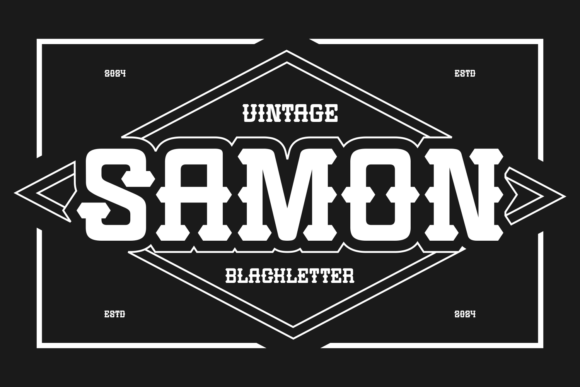
Samon is a blackletter typeface inspired by historical Gothic scripts but adapted for contemporary use. Blackletter fonts, also known as Gothic or Old English styles, are characterized by their dense, angular strokes and ornate letterforms. What sets Samon apart is its bold weight and structured geometry, which give it a modern edge while preserving the classic feel of traditional blackletters.
Designed with clarity and strength in mind, Samon is ideal for large-format printing and digital applications where legibility at a distance is essential. Its unique character set includes uppercase letters only, making it well-suited for titles, headlines, and short text elements like logos and labels.
Why Someone Might Be Interested in Samon
Designers often seek fonts that balance visual impact with versatility. Samon stands out due to its ability to convey authority and tradition without sacrificing readability. Here are some reasons why professionals might consider using it:
- Distinctive Visual Identity: The heavy, blocky style of Samon makes it immediately recognizable, helping brands stand out in competitive markets.
- Timeless Appeal: Its vintage roots provide a sense of history and authenticity, especially valuable for industries like brewing or fashion that benefit from nostalgic aesthetics.
- Strong Contrast and Structure: The contrast between thick and thin strokes adds depth and character, enhancing the font's visual hierarchy.
- Modern Adaptation: Unlike many blackletter fonts that struggle with legibility in small sizes, Samon is optimized for today’s design needs while retaining classic charm.
Benefits of Using Samon
Choosing the right font can significantly influence the perception of a brand. Samon provides several advantages that make it an appealing option for specific projects:
- Impactful Presentation: With its bold and confident lettering, Samon is excellent for creating logos and signage that demand attention.
- Compatibility with Rugged Themes: Its design complements industries such as breweries, apparel, and outdoor gear that thrive on a tough, no-nonsense image.
- Ease of Use in Digital Media: Despite its vintage origins, Samon works well across various platforms and devices, ensuring consistent appearance online and in print.
- Minimalist Design: The absence of ligatures or elaborate flourishes keeps the font straightforward and easy to implement in branding projects.
Tradeoffs and Considerations
While Samon offers compelling benefits, it's important to weigh these against potential drawbacks to ensure it aligns with your project goals:
- Limited Character Set: As a blackletter font with only uppercase characters, Samon may not be suitable for body text or long paragraphs.
- Not Ideal for All Audiences: Its strong, blocky appearance may not resonate with younger or more minimalist demographics. Context is key when selecting this font.
- Requires High-Quality Rendering: Because of its intricate details and sharp angles, Samon performs best when printed at high resolutions or displayed on large screens.
- Potential for Overuse: Like many distinctive fonts, Samon should be used sparingly to maintain visual balance and avoid overwhelming other design elements.
Situations Where Samon Fits Well
Samon excels in environments where boldness and tradition are desired. Some common scenarios include:
- Brewery Logos and Packaging: The font's rugged, handcrafted feel aligns perfectly with the imagery associated with craft beer and artisanal production.
- Apparel Branding: For clothing lines emphasizing heritage, durability, or a vintage-inspired look, Samon can reinforce the brand’s personality effectively.
- Event Signage and Posters: When used in larger sizes, Samon commands attention and fits well in event branding, particularly for festivals, live music venues, or themed experiences.
- Product Labels and Merchandise: Its blocky structure works well for labels, tags, and packaging that need to be both eye-catching and clearly readable.
Situations Where Alternatives May Be Better
Despite its strengths, there are cases where Samon may not be the best choice. Consider alternatives if:
- You Need Body Text: Blackletter fonts, including Samon, are generally unsuitable for long blocks of text due to their lack of lowercase letters and reduced readability.
- Your Audience Prefers Simplicity: In industries focused on clean, modern aesthetics—such as tech, healthcare, or minimalistic lifestyle brands—Samon may appear too heavy or outdated.
- Legibility in Small Sizes Matters: If your design requires the font to be used in smaller sizes, such as menus, infographics, or mobile interfaces, opt for a more legible sans-serif or serif alternative.
- Cultural Sensitivity Is a Priority: Blackletter fonts have historical associations with certain cultural movements. Ensure that the context of your project does not inadvertently evoke unintended meanings.
Practical Insights for Decision-Making
When evaluating whether Samon is right for your project, consider the following insights:
- Test at Different Sizes: Before finalizing, experiment with how Samon looks at various sizes and distances to confirm it meets your legibility requirements.
- Balance with Other Elements: Pair Samon with simpler, more neutral fonts for body text or secondary information to maintain visual harmony.
- Assess Color and Background Compatibility: Due to its high contrast, Samon may require careful color choices to ensure it remains effective across different backgrounds and media.
- Align with Brand Values: Ask whether the font reflects the message and tone you want to communicate. Does it support the idea of strength, tradition, or craftsmanship?
Conclusion
Samon is a powerful tool for designers seeking to create bold, vintage-inspired visuals with a modern twist. Its heavy, blocky characteristics make it ideal for logos, labels, and branding in industries that value a rugged and timeless aesthetic. However, its limitations—such as the absence of lowercase letters and reduced suitability for body text—mean it's not a one-size-fits-all solution.
By carefully considering the purpose of your design, the preferences of your audience, and the technical requirements of your project, you can determine whether Samon is the right fit. Used thoughtfully, it can elevate your brand's presence and leave a lasting impression. But remember, the most effective typography choices are those that serve the overall design and communicate the intended message clearly.