Swonez: A Bold Fusion of Gothic and Art Deco for Striking Visual Impact
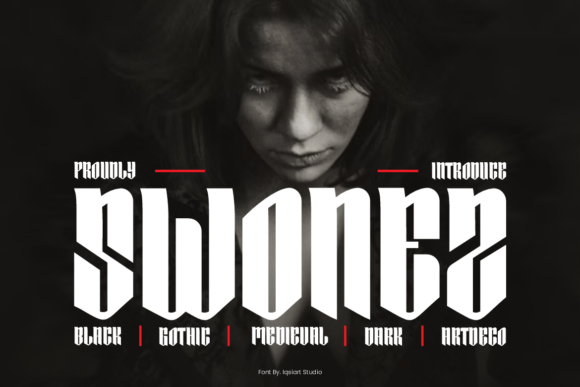
Typography plays a crucial role in shaping the visual identity of any project, from branding and editorial design to digital content and print media. When it comes to making a powerful statement with type, Swonez stands out as a unique and versatile choice. This striking blackletter display font merges the dramatic flair of gothic lettering with the sleek sophistication of art deco aesthetics. Its razor-sharp angles, extended vertical forms, and bold contrast create an unmistakable presence that can elevate the impact of your work across multiple creative fields.
What Is Swonez?
Swonez is more than just a font—it’s a design element that carries weight, emotion, and character. Rooted in the medieval traditions of blackletter script, it reimagines those historical foundations through a modern lens. The result is a typeface that feels both timeless and contemporary, perfect for designers looking to evoke a sense of mystery, power, or elegance without compromising on readability or style.
Its sharp, angular strokes and elongated characters give it a commanding presence on screen or paper. Whether you're designing a horror-themed poster, crafting a high-fashion magazine cover, or developing a metal band logo, Swonez provides the necessary gravitas to make your message resonate visually.
Where Does Swonez Fit Into Your Creative Workflow?
Incorporating Swonez into your workflow depends largely on the nature of your project. It serves best in scenarios where typography needs to be a focal point rather than a background detail. Here’s how it might fit at various stages:
- Pre-Project Planning: Use Swonez during brainstorming sessions or mood board creation to set the tone for your design. Its distinctive look can help you visualize the final output and ensure your concept aligns with the desired aesthetic.
- During Design Execution: Apply Swonez when you need a headline or title to command attention. It works particularly well in layered compositions, where its depth and contrast can add dimension to otherwise flat layouts.
- Post-Production Refinement: Consider using Swonez in final touches such as adding texture overlays or adjusting spacing for optimal visual balance. It often benefits from subtle enhancements like drop shadows or metallic effects to emphasize its dramatic edge.
Use Cases for Swonez
Swonez is not a one-size-fits-all font but shines in specific applications where its dark, elegant intensity is appropriate. Some of the most compelling use cases include:
- Gothic Posters: Ideal for events, music festivals, or themed exhibitions that require a strong visual anchor. The font’s extended forms and sharp edges naturally complement the gothic genre.
- Tattoo Designs: Its intricate structure and bold presence make it a popular choice among tattoo artists. It adds a sense of permanence and symbolism that many clients seek in body art.
- Horror Branding: From product packaging to promotional materials, Swonez can help build a brand that feels mysterious and intense. It pairs well with deep color palettes and minimalist layouts to amplify fear or suspense.
- Metal Band Logos: The font’s aggressive yet refined look makes it a natural fit for heavy metal and alternative music genres. It conveys strength and rebellion while maintaining a level of sophistication that appeals to discerning fans.
- Editorial Covers: For magazines or books with edgy, artistic themes, Swonez can serve as a standout title. Its ability to blend old-world charm with modern stylization allows it to appeal to both nostalgic and forward-thinking audiences.
- High-Fashion Layouts: When used sparingly, Swonez adds a touch of avant-garde flair to fashion campaigns or runway presentations. It’s especially effective in combination with serif or sans-serif fonts to create a balanced typographic hierarchy.
Pairing Swonez with Other Fonts and Tools
To maintain clarity and avoid overwhelming the viewer, Swonez should typically be paired with simpler, more legible fonts. In editorial or branding contexts, consider using a clean sans-serif or a refined serif font for body text or supporting elements. This contrast helps highlight the uniqueness of Swonez while ensuring the overall composition remains functional and easy to read.
When working with design tools like Adobe Photoshop, Illustrator, or Figma, Swonez integrates smoothly. Its high-quality vector outlines allow for scalability without loss of detail, making it ideal for both large-scale prints and digital assets. Additionally, many graphic design platforms support advanced font features, so take advantage of kerning and tracking adjustments to fine-tune its appearance within your layout.
For web developers and digital marketers, using Swonez requires attention to compatibility. While it may not be suitable for long paragraphs due to its dense structure, it excels in headlines, banners, and call-to-action buttons. Hosting the font via Google Fonts or embedding it directly can enhance performance and responsiveness, especially on mobile devices.
Practical Tips for Using Swonez Effectively
Here are some actionable insights to help you get the most out of Swonez in your projects:
- Use Sparingly: Given its bold nature, limit Swonez to key visual elements like titles or logos. Overuse can lead to clutter and reduce its effectiveness as a statement piece.
- Layer with Texture: Add a distressed or metallic texture overlay to enhance the font’s dramatic feel. This technique works especially well for posters, album art, and other print-based designs.
- Contrast Colorfully: Pair Swonez with contrasting colors—think gold against black or white on deep red—to draw the eye and create a more dynamic visual experience.
- Balance with Negative Space: Because of its density, Swonez can easily dominate a layout. Use generous negative space around it to prevent visual fatigue and keep the design breathable.
- Test on Multiple Platforms: Before finalizing a project, preview Swonez on different screens and resolutions. This ensures it retains its impact whether viewed on a smartphone, computer monitor, or printed material.
Integration Strategies for Long-Term Projects
If you're working on an ongoing creative endeavor—such as a blog series, product line, or marketing campaign—consider how Swonez can be consistently applied without becoming repetitive. One strategy is to rotate it with similar display fonts depending on the theme or tone of each piece. Alternatively, establish a clear rule for its usage, such as reserving it for major announcements or seasonal promotions.
For teams collaborating on larger projects, define Swonez's role early in the planning phase. Include it in your brand guidelines with examples of proper application, color pairings, and sizing recommendations. This approach ensures consistency and avoids misuse, which is essential for maintaining a professional image.
Organizational Best Practices
Keeping track of Swonez’s usage is important for maintaining design cohesion. Create a shared folder or asset library where approved variations of the font are stored alongside supporting graphics and templates. This streamlines the process for team members and freelancers who need to access the font quickly and accurately.
Additionally, document the reasons behind choosing Swonez for specific tasks. For instance, if it was selected for a poster because of its emotional resonance, note that in your internal records. Such documentation supports future decisions and reinforces the strategic value of typography in your creative process.
Ensuring Quality and Efficiency
Quality control is essential when using display fonts like Swonez. Always verify that the font is properly licensed for your intended use, especially if you’re distributing it publicly or commercially. Unauthorized use can lead to legal complications and damage your professional reputation.
Efficiency also matters. If you frequently use Swonez, consider creating custom presets in your design software for common styles—such as embossed, outlined, or shadowed versions. These presets save time and reduce the risk of inconsistencies across different pieces.
Real-World Examples and Observations
Many designers have successfully integrated Swonez into their portfolios. One example is a boutique tattoo studio that uses it for all client-facing materials, from appointment confirmations to social media posts. The font’s consistent presence has helped reinforce their brand identity and attract a niche audience drawn to its aesthetic.
Another case involves a music festival promoter who adopted Swonez for event banners and artist lineup cards. By combining it with a monochrome palette and geometric patterns, they created a cohesive look that stood out at night under stage lights and resonated with attendees seeking an immersive experience.
Observing these implementations shows that Swonez is not only about visual impact but also about intentionality. It works best when it complements the overall narrative and purpose of the project, rather than simply being added for stylistic effect alone.
Conclusion
Swonez offers a compelling blend of historical influence and modern design sensibility, making it a valuable tool for professionals across creative industries. Its ability to command attention while evoking emotion sets it apart from more conventional typefaces. However, like any powerful design element, it must be used thoughtfully and strategically to maximize its potential.
By understanding its strengths, limitations, and best practices, you can integrate Swonez into your workflow in a way that enhances your message and elevates your visual storytelling. Whether you're preparing a new project, refining an existing one, or exploring innovative ways to express your brand, Swonez provides the edge needed to stand out in today’s competitive creative landscape.