Fake Story: A Bold Vintage Font for Modern Creativity
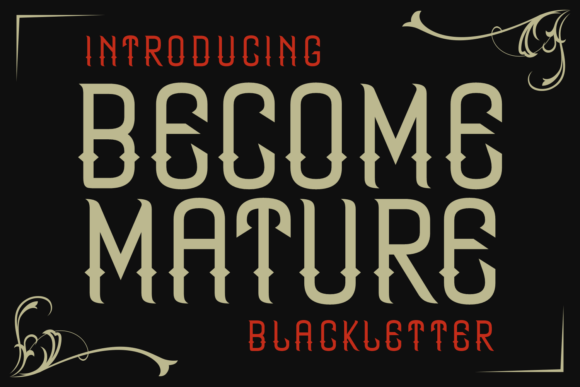
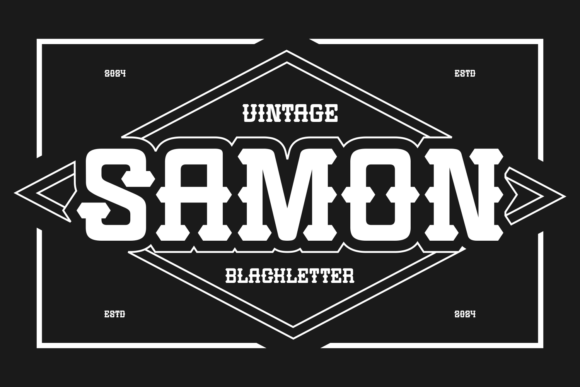
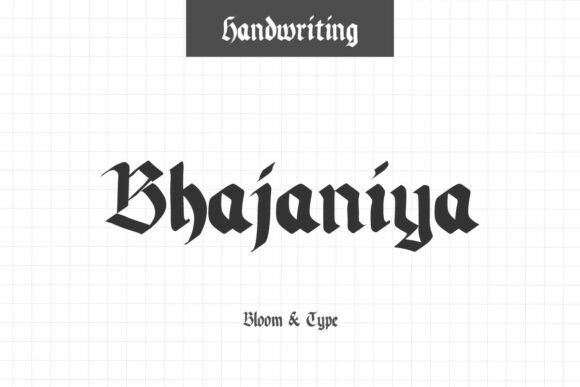
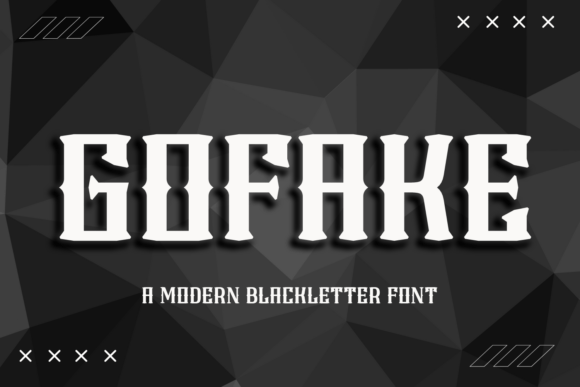
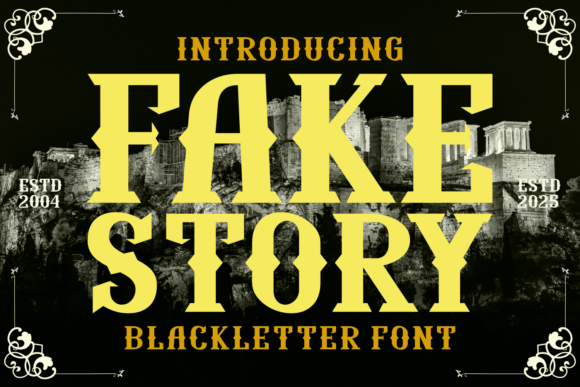
Fake Story is more than just a font—it’s a statement. Designed to capture the essence of gothic elegance and vintage authority, it blends sharp edges with a strong weight and intricate decorative details that evoke a sense of timelessness. Whether you're designing a book cover, crafting a poster, or branding a whiskey label, Fake Story offers a striking visual identity that stands out in both print and digital formats.
Why Choose Fake Story?
The allure of Fake Story lies in its unique ability to balance old-world charm with modern versatility. Its blackletter style harks back to medieval manuscripts and early printing presses, but it has been thoughtfully adapted for today's design needs. This means you can use it across various platforms without compromising legibility or aesthetic appeal.
What sets Fake Story apart is its attention to detail. Each character is meticulously crafted to reflect a dramatic flair while maintaining clarity. The result is a font that feels both authentic and adaptable—perfect for projects that demand a touch of history without sacrificing contemporary functionality.
Book Covers and Publishing
For authors and publishers seeking to make an impression, Fake Story is a powerful tool. Its bold presence adds gravitas to titles, especially for genres like fantasy, historical fiction, or horror. Pairing it with simpler sans-serif fonts for body text helps maintain readability while highlighting the title with vintage flair.
- Example: Use Fake Story for the title of a gothic romance novel, complemented by a soft cream background and dark red accents to enhance the font’s contrast and depth.
- Tip: Limit its use to short phrases or chapter headings to avoid overwhelming readers.
Poster Design and Event Branding
Posters need to grab attention quickly, and Fake Story delivers with its eye-catching structure. It works particularly well for events with a retro or thematic feel, such as Renaissance fairs, haunted house promotions, or art exhibitions focused on historical aesthetics.
- Start with a high-contrast color scheme—black on white or gold on deep navy.
- Incorporate ornate borders or patterns to frame the text and echo the font’s gothic roots.
- Use it sparingly for key elements like the event name or tagline to ensure readability and impact.
Whiskey and Beverage Branding
When it comes to branding alcoholic beverages, especially whiskeys, Fake Story can convey sophistication and heritage. The font suggests craftsmanship and tradition, which are essential qualities in the spirits industry. Think about how it might appear on bottle labels or promotional materials to instantly elevate the brand’s visual tone.
Realistic example: A bourbon distillery could use Fake Story for their logo, paired with aged textures and earthy tones like amber, mahogany, and leather brown to reinforce the vintage vibe.
Tattoo Designs and Personal Branding
Tattoo artists often seek fonts that are both visually compelling and easy to ink. Fake Story, with its strong lines and distinctive shapes, is ideal for creating tattoos that have a timeless, edgy look. Its gothic nature also makes it suitable for personal brands in the fashion or lifestyle sectors aiming to project a bold, vintage image.
- Consider using Fake Story in combination with hand-drawn illustrations for a custom feel.
- Test the font at different sizes to ensure it remains legible and impactful when applied to skin.
Designers and Creators
If you're a designer working on a variety of projects, Fake Story provides a consistent yet versatile option. You can adapt it for both digital and physical media, from website headers to printed brochures. For web designers, ensure the font is optimized for screen display and load times by using web-ready versions like WOFF or TTF.
Pro tip: When using Fake Story online, pair it with complementary fonts that balance its intensity. A minimalist sans-serif can help guide the reader through the content without losing the dramatic effect of the title.
Marketers and Entrepreneurs
Marketers looking to build a nostalgic or artisanal brand will find Fake Story invaluable. It works especially well for niche markets like craft breweries, luxury candle makers, or bespoke clothing lines. The font can be used in packaging, social media graphics, and even email signatures to create a cohesive and memorable brand identity.
When using Fake Story in marketing, consider your audience’s expectations. If you’re targeting millennials who appreciate vintage aesthetics, this font may resonate perfectly. However, for more formal or professional audiences, use it with caution and ensure it doesn’t overshadow the message.
Bloggers and Educators
Bloggers and educators who focus on history, literature, or typography can use Fake Story to add visual interest to headers and quotes. It can help set the tone for articles discussing medieval literature, calligraphy, or historical trends in graphic design.
For educators, incorporating Fake Story into presentations or classroom materials can spark curiosity and engagement. Just be sure to keep body text in a more readable format to support learning and comprehension.
Project Ideas Inspired by Fake Story
Here are some creative project ideas where Fake Story can shine:
- Vintage Apparel Labels: Use it on clothing tags or embroidered patches to give garments a classic, handcrafted look.
- Restaurant Menus: Create a rustic ambiance by using Fake Story for headings in a steakhouse or wine bar menu.
- Invitations and Stationery: Ideal for wedding invitations or anniversary cards that aim for a romantic, historical vibe.
- Podcast Titles and Logos: Add a mysterious or authoritative edge to podcast branding that focuses on storytelling or history.
How to Keep It Effective
While Fake Story is visually striking, it’s important to use it strategically. Overuse can lead to clutter and reduced readability. Here are a few best practices:
- Use it for emphasis: Reserve Fake Story for headlines, logos, or short impactful phrases rather than long blocks of text.
- Balance with simplicity: Pair it with clean, modern fonts to maintain harmony in your design.
- Test in context: Always preview how it looks in real-world applications, such as on a phone screen or in print, to ensure it meets your goals.
Where to Find Fake Story
To access Fake Story for your next project, visit reputable font marketplaces like Fonts.com, MyFonts, or Font Squirrel. These platforms offer licensing options tailored to individual, commercial, and educational use, ensuring you stay compliant while enjoying the font’s full potential.
Before downloading, check the font’s license agreement to understand usage rights. Some fonts require attribution or restrict use in certain contexts, so knowing these details upfront can save time and legal headaches later.
Conclusion
Fake Story is a remarkable font that bridges the gap between traditional typography and modern design. Its bold, vintage style makes it a favorite among creators who want to infuse their work with a sense of history and gravitas. Whether you're designing for print or digital media, this font offers endless possibilities for expression and storytelling.
By understanding its strengths and limitations, you can harness Fake Story to craft designs that are not only beautiful but also purposeful and effective. Let it inspire your next creative project—whether big or small—and bring a touch of the past into the present with confidence and clarity.