Gofake: A Bold Font for Strategic Impact and Modern Branding
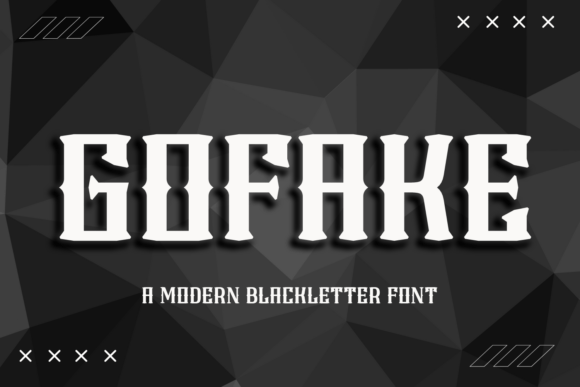
Typography is more than just the visual representation of words—it’s a strategic tool that shapes perception, conveys personality, and enhances communication. In today’s design landscape, fonts like Gofake offer a unique opportunity to stand out while aligning with modern aesthetics and traditional strength. Gofake is a bold and contemporary blackletter font that merges the sharp angularity of Gothic letterforms with sleek, intentional design elements. This fusion makes it a powerful asset for creators and professionals seeking to inject intensity and character into their projects.
Why Gofake Stands Out in Design Strategy
The right font can elevate a brand’s message from forgettable to unforgettable. Gofake, with its strong presence and distinctive style, is particularly effective for visual communication that needs to cut through the noise. Whether you’re designing an esports logo or crafting a tattoo-inspired poster, this font brings a level of gravitas and modern flair that resonates across multiple industries.
Blackletter fonts have long been associated with tradition, authority, and formality. However, Gofake reimagines these qualities with a fresh perspective, making it suitable for both classic and cutting-edge applications. Its clean lines and structured form allow it to maintain readability while still delivering a striking visual impact—key factors when aiming for both aesthetic appeal and functional clarity.
Strategic Use Cases for Gofake
- Branding: For businesses that want to project confidence and boldness, using Gofake in logos or taglines can reinforce a strong brand identity. It works especially well for niche markets such as streetwear, gaming, or alternative fashion where a distinctive look is essential.
- Poster Design: When creating posters for events, promotions, or exhibitions, Gofake adds an element of drama and urgency. Its high contrast and angular structure draw attention and make key messages impossible to ignore.
- Album Covers and Music Branding: Musicians and producers often rely on typography to set the tone of their work. Gofake fits perfectly with genres like rock, metal, or hip-hop, offering a gritty yet refined appearance that reflects the artist's energy and intent.
- Tattoo-Inspired Designs: The edgy, handcrafted feel of Gofake mirrors the look of many tattoo styles, making it ideal for merchandise, branding materials, or artwork targeting those who appreciate body art culture.
- Streetwear and Apparel: In the world of fashion, especially within urban and youth-oriented brands, typography plays a crucial role in defining the vibe. Gofake offers a perfect balance between heritage and innovation, helping brands communicate a sense of rebellion and authenticity.
Planning Thoughtfully with Gofake
While Gofake is visually compelling, its use must be grounded in thoughtful planning. Consider the following before integrating it into your designs:
- Understand Your Audience: Ask yourself whether the target demographic would respond positively to a Gothic-style font. If your audience values tradition or seeks a bold aesthetic, Gofake could be the perfect fit.
- Define the Purpose: Are you aiming to create a sense of urgency, reflect a rebellious spirit, or establish authority? Clarifying your objective will help determine if Gofake aligns with your message.
- Balance with Other Elements: Because of its intensity, Gofake should be used sparingly and complemented by simpler, more readable fonts. Pairing it with a sans-serif typeface can provide visual relief and maintain hierarchy without losing impact.
- Test Across Media: Before finalizing a design, ensure that Gofake remains legible and effective across different platforms and sizes. From digital banners to printed merchandise, consistency in how the font performs is vital.
Examples of Effective Gofake Integration
One notable example is a rising indie band that used Gofake for their album title. The font’s angular edges and dark tones matched the band’s sound and helped them gain traction among fans who appreciated the visual storytelling behind their music. Another case involves a boutique streetwear label that incorporated Gofake into their product tags and packaging. The result was a cohesive brand image that stood out in crowded marketplaces and reinforced the label’s commitment to individuality and style.
Positioning Your Message with Intention
Fonts like Gofake are not just decorative—they are part of your communication strategy. When choosing typography, consider how each choice influences tone and perception. Gofake’s sharp angles and condensed forms suggest precision and power, which can be leveraged in messaging around leadership, innovation, or transformation.
For instance, a startup launching a new app might use Gofake in promotional materials to signal disruption and bold thinking. Similarly, a nonprofit focused on social justice could use the font in event posters to evoke strength and solidarity. These are not random decisions but calculated choices to position the brand or message effectively in the viewer’s mind.
When to Avoid Gofake
Despite its strengths, Gofake is not universally applicable. In situations where clarity and simplicity are paramount, such as legal documents, instructional manuals, or formal reports, this font may hinder rather than enhance communication. Likewise, if your brand identity leans toward minimalism or elegance, Gofake’s aggressive style might clash with your intended message.
Use caution when applying it to long blocks of text. While it excels in headlines and short phrases, extended use can strain readability and distract from content. Always evaluate whether the font supports the user experience and doesn’t overshadow the information being presented.
Enhancing Creativity and Productivity Through Typography
Designers and marketers who prioritize creativity often seek tools that allow them to express ideas with originality. Gofake provides that edge by enabling visually rich outputs without requiring complex illustrations. Its distinctiveness allows for faster decision-making in creative workflows because it instantly communicates the desired mood and style.
Moreover, knowing when to deploy a font like Gofake can streamline your process. By having a go-to font for high-impact visuals, you reduce time spent experimenting with alternatives and stay focused on achieving consistent results. This efficiency is invaluable in fast-paced environments where deadlines are tight and expectations are high.
Practical Tips for Using Gofake Effectively
- Limit Line Length: Keep text concise to avoid overwhelming the reader. Shorter lines maintain the font’s impact while improving legibility.
- Choose Complementary Colors: Dark, contrasting colors (like white or red) often work best with Gofake. Experiment with color combinations that highlight its structural details.
- Consider Weight Variations: Some versions of Gofake may come in different weights. Select one that matches the scale and context of your project.
- Use as a Visual Anchor: Let Gofake serve as the focal point in your design. Pair it with subtle background textures or imagery to let the typography shine without competing for attention.
Aligning Gofake with Long-Term Brand Goals
A font isn’t just about aesthetics—it’s also about building lasting connections with your audience. Incorporating Gofake into your branding requires a clear understanding of how it aligns with your long-term goals. Does it support the evolution of your brand? Will it remain relevant as trends shift?
One approach is to treat Gofake as a signature element in your brand toolkit rather than a universal solution. Use it selectively in campaigns, limited editions, or high-profile visuals to maintain exclusivity and memorability. Overuse can lead to fatigue or dilution of the font’s impact, so moderation is key to preserving its strategic value.
Learning from Real-World Outcomes
Several brands have successfully integrated Gofake into their visual identities. A local coffee shop, for example, launched a special-edition line of mugs featuring the font in a minimalist layout. The result was a surge in engagement on social media, with customers sharing photos of the products online. This illustrates how the right typographic choice can spark organic interest and drive customer interaction.
In another scenario, a marketing agency tasked with promoting a tech conference opted for Gofake in their digital banner ads. The font’s sharp, commanding presence aligned with the conference theme of “Breaking Boundaries,” resulting in higher click-through rates compared to previous campaigns using standard sans-serif fonts.
Risks of Random Implementation
Using Gofake without a clear strategy can lead to miscommunication or visual clutter. For example, pairing it with overly ornate graphics or other heavy fonts can create a chaotic layout that confuses the viewer. Additionally, deploying it in contexts where subtlety is required may alienate audiences who prefer understated elegance.
To avoid these pitfalls, always start with a purpose-driven plan. Define what you want to achieve with the font and how it contributes to your overall design and branding strategy. Conduct user testing or A/B comparisons to see how different audiences react. This ensures that your implementation of Gofake is both intentional and impactful.
Conclusion: Making Informed Decisions with Gofake
Gofake is more than just a visually striking font—it’s a strategic element that can enhance communication, build brand identity, and engage audiences when used correctly. By understanding its strengths and limitations, you can leverage it to create designs that resonate and deliver results.
Whether you’re working on an esports logo, a music album cover, or a bold promotional poster, remember that typography is a critical component of your message. With careful planning and a focus on alignment with your brand goals, Gofake can become a valuable asset in your creative toolkit.