Soldier: A Bold Font for Strategic Branding and Communication
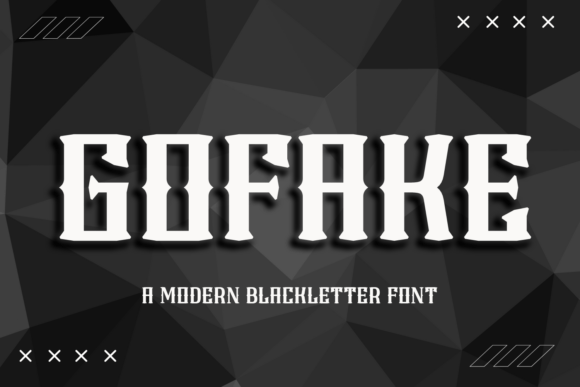
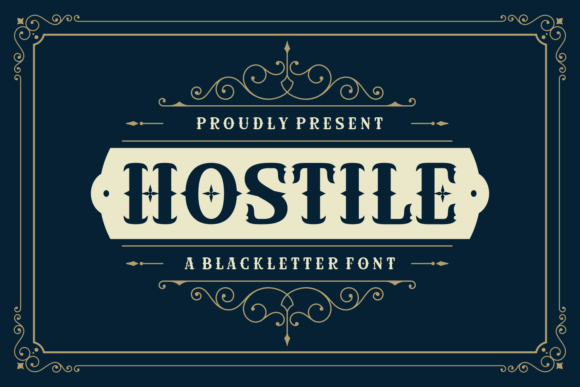
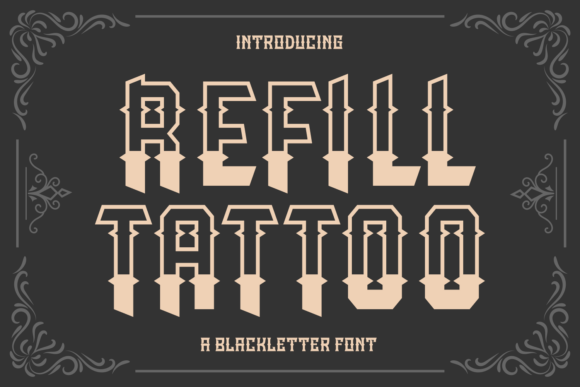
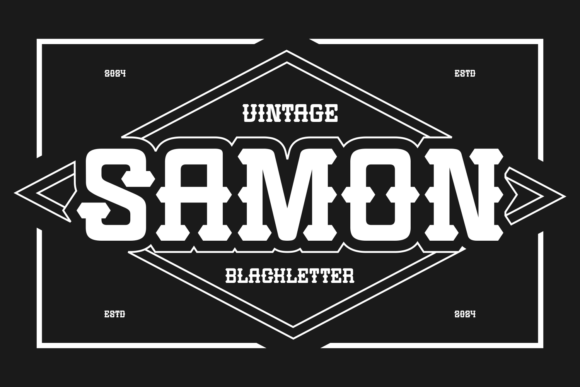
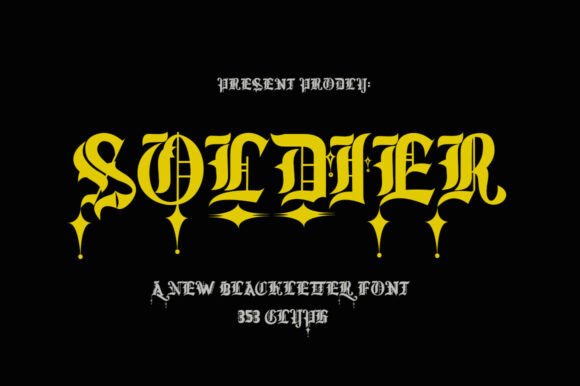
Fonts are more than just visual elements; they're a strategic tool in shaping perception, reinforcing messaging, and enhancing user experience. One such font that stands out for its boldness and clarity is Soldier. This blackletter typeface is designed with strength and simplicity in mind, making it an excellent choice for professionals who want to convey authority, tradition, or creativity with precision.
The Power of Blackletter in Modern Design
Blackletter fonts, like Soldier, have a rich historical background often associated with medieval manuscripts and formal documents. However, in today’s digital landscape, they serve as powerful symbols of heritage, authenticity, and gravitas. The bold and thick lettering of Soldier ensures visibility across various platforms and media, from websites to print materials.
What makes Soldier particularly useful is its PUA encoding, which allows users to access a full range of glyphs and swashes effortlessly. This feature is especially valuable when designing logos, headlines, or promotional content where unique characters can elevate the visual impact without compromising functionality.
Strategic Use in Branding and Positioning
For entrepreneurs and small business owners, branding is everything. Fonts play a critical role in how your brand is perceived. Soldier can be strategically used to reinforce a brand identity rooted in tradition, resilience, or innovation. Its strong visual presence helps establish a memorable look that aligns with the core values of your business.
- Tradition-driven brands: If your brand is built on heritage, craftsmanship, or legacy, Soldier adds a timeless feel to your visuals.
- High-impact headlines: In marketing materials or website banners, this font commands attention and supports key messages effectively.
- Logo design: When used thoughtfully, Soldier can help craft a logo that feels both classic and contemporary.
Planning Your Typography Strategy
Before incorporating Soldier into your projects, consider the following factors to ensure alignment with your strategic goals:
- Brand Personality: Does your brand benefit from a strong, traditional aesthetic? Soldier works best when your message needs weight and authority.
- Context of Use: Will the font appear on digital screens, in print, or both? Ensure it maintains legibility and impact across all mediums.
- Complementary Fonts: Pair Soldier with lighter, sans-serif or serif fonts to maintain balance and readability in longer texts.
One practical example is using Soldier for a headline in a product launch email while switching to a more readable typeface for the body text. This approach leverages the emotional appeal of the font while keeping communication clear and professional.
Operational Integration and Productivity
Designers and marketers often juggle multiple tools and assets. Soldier simplifies the process by offering an extensive glyph set through PUA encoding. This means you don’t need to switch between different font files or spend extra time sourcing special characters. It streamlines operations and boosts productivity, especially when working under tight deadlines or managing complex campaigns.
Freelancers and educators might use Soldier in project deliverables or classroom materials to highlight key sections, such as headings for reports or case studies. The font’s distinctiveness ensures important information stands out without overwhelming the reader.
Enhancing Creativity and Customer Experience
Creativity thrives when you have the right tools. Soldier’s thick, blackletter style opens up new avenues for designers to express themselves in ways that standard sans-serif or serif fonts cannot. Whether it's for book covers, posters, or event invitations, this font brings a sense of urgency and elegance to the table.
In customer experience (CX) design, typography affects how users interact with your content. A well-placed headline in Soldier can draw users into a story, guide them through a sales funnel, or reinforce a call to action. But remember, context is key—overusing it can lead to confusion or fatigue, especially if the rest of your design lacks cohesion.
When to Avoid Soldier
Despite its strengths, Soldier isn't always the best choice. Avoid using it in long paragraphs of body text, where readability can suffer due to its dense structure. Similarly, if your audience skews toward younger demographics who favor modern aesthetics, it may not resonate as intended unless paired carefully with other design elements.
Also, consider the cultural associations of blackletter fonts. While they can evoke tradition and strength in some contexts, they may carry unintended connotations in others. Always align your typography choices with your brand's tone and target audience.
Decision-Making Guidance for Thoughtful Implementation
Using Soldier intentionally requires understanding its purpose within your overall design strategy. Here’s how to make informed decisions:
- Define your goal first: Is the goal to create a striking logo, emphasize a mission statement, or enhance visual storytelling? Choose the font based on what you aim to achieve.
- Test in real-world scenarios: Try Soldier in mockups before finalizing designs. See how it performs in different sizes, colors, and backgrounds.
- Seek feedback: Get opinions from colleagues, clients, or target users to ensure the font enhances rather than distracts from your message.
A great example is a publisher creating a series of historical novels. Using Soldier for chapter titles or cover art could immediately signal the genre and evoke a sense of nostalgia, helping position the books in a crowded market.
Long-Term Value and Learning Curve
Investing in a font like Soldier is more than a one-time decision—it’s part of building a consistent and impactful visual language over time. As you refine your brand’s look and feel, having access to a versatile and expressive font becomes invaluable.
Professionals should also consider the learning curve involved in mastering PUA-encoded fonts. While they offer flexibility, they may require additional setup in design software. Take time to learn how to access and apply custom glyphs effectively to avoid missteps in execution.
Realistic Use Cases for Better Outcomes
To illustrate the value of Soldier in a practical setting, let’s explore a few realistic use cases:
- Marketing Campaigns: A nonprofit organization focused on veterans’ rights uses Soldier in their campaign slogans to communicate strength and dedication.
- Product Packaging: A luxury skincare brand adopts Soldier for labeling on vintage-inspired bottles, enhancing the product’s premium feel and storytelling aspect.
- Event Branding: A high-profile conference on leadership and strategy uses Soldier for its main title and speaker names, reinforcing the theme of power and direction.
Each of these examples shows how thoughtful implementation can turn typography into a strategic asset. The key is matching the font’s characteristics with the desired outcome.
Risks of Random Application
While Soldier is a powerful font, applying it randomly can dilute its impact. For instance, using it in a blog post without a clear typographic hierarchy might confuse readers or reduce engagement. Likewise, using it in inappropriate color schemes or layouts can clash with the overall design, leading to a less professional appearance.
Marketers and creators must also be cautious about overusing any single font. A design that relies too heavily on Soldier without contrast can become monotonous and fail to engage the audience visually.
Conclusion: Intentionality Over Impulse
Incorporating Soldier into your design toolkit is a strategic move that demands intentionality. Its bold and thick lettering offers a unique way to stand out, but success depends on how well it aligns with your broader objectives. From branding to communication, this font can support your efforts when used with purpose and planning.
As you evaluate typography options for your next project, ask yourself: does this font help me tell my story better? Does it support my goals and resonate with my audience? If the answer is yes, then Soldier could be the right choice for you.