Blame Others: A Bold Font with a Vintage Edge for Impactful Designs
Fonts are more than just letters on a page—they’re the backbone of visual communication. Choosing the right typeface can elevate your brand, catch attention, and set the tone for everything from logos to packaging. One standout option is Blame Others, a bold blackletter display font that blends strong geometric shapes with a vintage aesthetic. Its blocky, angular design gives it a rugged and commanding presence, making it ideal for retro-inspired branding, signage, merchandise, and posters. But while Blame Others is visually striking, using it effectively requires more than just downloading and slapping it onto any project.
What Makes Blame Others Unique?
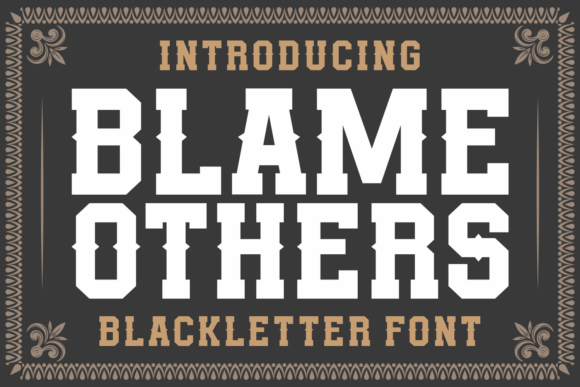
Blame Others takes inspiration from traditional gothic lettering but adds a modern twist through its heavy-weight construction. This fusion makes it both nostalgic and contemporary, perfect for designers who want to make a bold statement without leaning into cliché. The font’s structure is built around clean angles and solid forms, which lend themselves well to high-impact visuals where legibility at a distance matters—think event posters or store signs.
Its versatility also shines in logo design and merchandise. The font has enough character to stand out but remains adaptable when paired with the right colors, spacing, and imagery. For those looking to create a strong visual identity rooted in classic typography with a fresh edge, Blame Others could be the perfect fit.
Common Mistakes When Using Blame Others
Despite its appeal, many users fall into traps when incorporating Blame Others into their work. These missteps often lead to less-than-ideal results, whether due to poor readability, mismatched aesthetics, or inefficient application. Here are some common issues to avoid:
- Ignoring Readability: Display fonts like Blame Others are not always suitable for body text. Their intricate details and lack of spacing between characters can make them hard to read at smaller sizes or over long passages.
- Mismatching Style with Purpose: While the font works well for posters and logos, it might clash with minimalist or modern designs. Not every project needs a vintage feel, and forcing it can confuse your audience.
- Using It Without Proper Kerning: Blackletter fonts have unique spacing requirements. Failing to adjust kerning (the space between specific characters) can make the text look uneven or unprofessional.
- Overlooking Licensing Terms: Many free fonts come with hidden restrictions. Before using Blame Others in commercial projects, always verify the licensing agreement to ensure you’re allowed to do so legally.
How These Errors Can Backfire
When used incorrectly, even a powerful font like Blame Others can hurt your message rather than enhance it. For example, if you use it in a blog post or infographic without considering its readability, readers may struggle to absorb the content. That means they’ll spend more time trying to understand what you’re saying and less time engaging with your ideas.
In branding, inconsistency can dilute your message. Imagine pairing Blame Others with a sleek, modern sans-serif for a tech startup. The contrast might seem intentional, but if not done thoughtfully, it can create confusion about your brand’s personality. You don’t want your audience to question whether you're trying to be old-school or modern—you should communicate clearly and confidently.
Also, poor kerning adjustments can make your text appear cluttered or sloppy, especially in titles and headlines. This undermines the professionalism of your design, no matter how bold the font looks. And if you neglect licensing, you risk legal complications down the line—something that could cost you time, money, and credibility.
Practical Tips for Using Blame Others Effectively
To harness the full potential of Blame Others, consider these best practices:
- Use It Sparingly: Reserve Blame Others for key visual elements like headlines, logos, or promotional banners. Avoid using it throughout an entire document or website unless the context demands it.
- Pair Thoughtfully: Complement it with a simpler, neutral font for body text. A clean sans-serif or serif font can balance the heaviness of Blame Others and improve overall readability.
- Adjust Kerning and Tracking: Use design tools like Adobe Illustrator or Photoshop to fine-tune the spacing between characters. Even small adjustments can make a big difference in how the font is perceived.
- Test It in Context: Always preview Blame Others in the environment where it will be used. How does it look on a storefront sign? Does it hold up in digital formats like social media posts or websites?
- Review Licensing Agreements: If you plan to use Blame Others in a commercial setting, double-check the font’s license. Some fonts require attribution or restrict use in certain industries. You can usually find this information on the font provider’s site or by contacting support directly.
Realistic Examples of Better Approaches
Let’s say you’re designing a poster for a local music festival. You might be tempted to use Blame Others for the entire layout. However, using it only for the main title and then switching to a lighter, more readable font for event details will keep the focus on the headline while ensuring clarity for all attendees.
For a logo design, Blame Others can serve as the anchor if your brand embraces a retro or edgy vibe. Pair it with a minimalist icon or color scheme to highlight the font’s strength without overwhelming the design. This approach keeps your logo memorable and versatile across different platforms.
If you're creating a T-shirt design for a vintage-themed collection, Blame Others could be perfect for a short phrase like “Retro Revival” or “Old School Cool.” But avoid overloading the shirt with too much text. Less is more when working with display fonts, and simplicity often leads to stronger visual impact.
What to Check Before Making the Decision
Before committing to Blame Others for your next project, take a moment to ask yourself a few questions:
- Is this font appropriate for the platform I'm using (print vs. digital)?
- Does it align with my brand’s voice and target audience?
- Will it remain legible under various conditions (e.g., screen size, lighting, background texture)?
- Am I following the correct licensing rules for my intended use?
These checks help prevent unnecessary revisions later on. For instance, if you’re printing a large banner and discover after the fact that the font doesn’t scale well, you’ll have to start over. Similarly, if you're using it for a web-based campaign and it loads slowly due to file size, it could affect user experience and SEO performance.
Why Blame Others Might Be Right for You
If you’re aiming for a design that feels authoritative yet stylish, Blame Others offers a compelling solution. It’s particularly effective for:
- Event promotions and concert posters
- Retro-themed product packaging or labels
- Logo creation for bars, breweries, or niche brands
- Merchandise such as T-shirts, mugs, and stickers
- Signage for antique shops, coffee roasters, or vintage stores
Its combination of classic gothic roots and modern enhancements allows it to cut through the noise in a way that softer or more decorative fonts can’t. Just remember to use it with purpose and intention.
Alternatives and When to Consider Them
While Blame Others is a strong choice, there are times when alternatives may suit your needs better. For a slightly more refined blackletter look, consider fonts like Linotype Didot or Adobe Blackletter. These fonts offer similar vintage flair but with subtler styling that may integrate more smoothly into professional settings.
If your project leans toward a modern aesthetic, a bold sans-serif like Avant Garde Gothic or Century Gothic might be a better match. These fonts retain visual weight without the complexity of blackletter styles, offering greater flexibility for longer texts or digital interfaces.
Always evaluate your options based on the specific needs of your project. Sometimes a slightly different font can deliver the same impact with fewer usability concerns.
Where to Download and How to Evaluate Quality
Blame Others is available from several font marketplaces, including FontSpace, DaFont, and 1001FreeFonts. When evaluating the font before purchase or download, pay attention to the following:
- Character Set: Does it include special symbols, ligatures, or alternate characters that you need?
- Weight Variations: Are there lighter or bolder versions available for added flexibility?
- Preview Samples: Try it in a real-world context, like a sample logo or headline, to see how it performs.
- User Reviews: Look for feedback from other designers who’ve used it in similar applications. Their insights can save you time and effort.
Some platforms also allow you to test the font for free before buying. Take advantage of these trials to ensure it meets your expectations in terms of style, functionality, and compatibility with your design software.
Final Thoughts on Making the Most of Blame Others
Blame Others is a powerful tool for designers who appreciate the blend of history and innovation in typography. With its strong geometry and vintage charm, it stands out in a sea of generic fonts. However, its effectiveness depends on thoughtful application and proper technical execution.
By avoiding common mistakes and using it strategically, you can turn Blame Others into a signature element of your creative projects. Whether you're crafting a bold new logo or designing eye-catching signage, this font can help you make a lasting impression—if you know how to wield it correctly.