The Timeless Elegance of Fabric Tailor: A Modern Blackletter Font with Vintage Roots
Fabric Tailor is more than just a font—it's a visual representation of history, artistry, and contemporary design sensibilities. This bold blackletter typeface captures the essence of vintage craftsmanship while introducing subtle modern refinements that make it versatile for today’s creative projects. Whether you're designing a brand identity or adding flair to a piece of artwork, understanding how to use Fabric Tailor effectively can elevate your work in meaningful ways.
Origins and Characteristics of Fabric Tailor
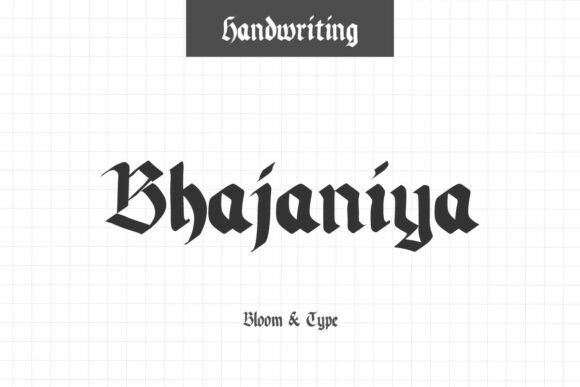
Blackletter fonts, also known as Gothic or Old English scripts, have their roots in medieval Europe. They were originally used in handwritten manuscripts before being adapted into printed typography. Over time, these styles became associated with tradition, elegance, and sometimes even mystery. Fabric Tailor pays homage to this rich heritage while introducing a fresh perspective through its tailored edges and sharp lines.
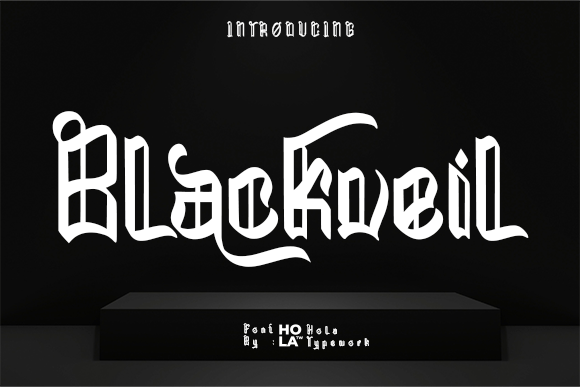
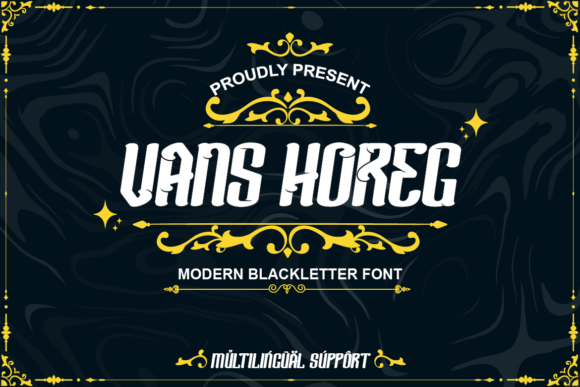
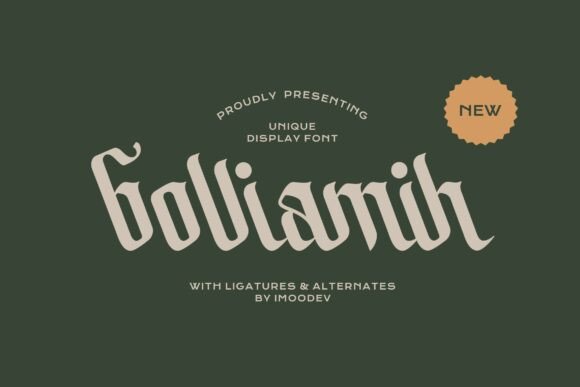
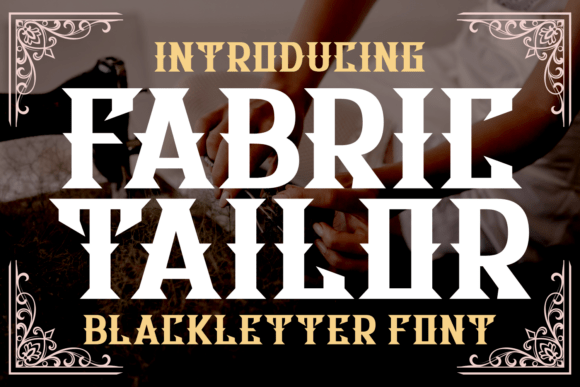
One of the defining features of Fabric Tailor is its ornamental detailing. Each letter is meticulously crafted to reflect the precision of tailoring, with clean strokes and decorative flourishes that give it a refined yet edgy appearance. The contrast between thick and thin lines adds depth, making the font visually striking without overwhelming the reader. Its unique character set allows for expressive punctuation and special symbols, further enhancing its appeal to designers seeking a distinctive look.
Why Fabric Tailor Stands Out
In a world saturated with sans-serif and slab-serif fonts, Fabric Tailor offers something different—its intricate structure and gothic influence make it ideal for niche applications where personality matters. Unlike many other blackletter fonts, which can appear overly ornate or difficult to read at smaller sizes, Fabric Tailor balances aesthetics with legibility. This balance makes it suitable for both large-scale designs like posters and more delicate uses such as tattoos or product labels.
Practical Applications Across Industries
Fabric Tailor has found a home in various industries due to its versatility and strong visual impact. Here are some of the most notable use cases:
- Logo Design: Many businesses, especially those in fashion, barbering, and artisanal crafts, use Fabric Tailor to create logos that convey sophistication and a sense of heritage. Its boldness ensures visibility, while the ornamental details add a touch of uniqueness.
- Apparel and Textile Branding: For clothing brands that want to evoke a classic, handcrafted feel, this font is an excellent choice. It complements fabric textures and works well on tags, labels, and packaging materials.
- Tattoo Art: The intricate nature of Fabric Tailor makes it perfect for tattoo artists who want to incorporate text into body art. Its structured forms allow for precise execution, ensuring clarity and visual harmony on the skin.
- Whiskey and Spirits Packaging: Distilleries often choose this font for bottle labels and promotional materials to emphasize quality and authenticity. The gothic aesthetic aligns with the traditional imagery of premium spirits.
- Retro Posters and Advertising: When creating nostalgic or vintage-themed content, Fabric Tailor brings a sense of timelessness that resonates with audiences looking for classic charm.
Design Considerations When Using Fabric Tailor
While Fabric Tailor is highly adaptable, it's important to consider how it interacts with other design elements. Because of its high contrast and ornate style, it should be paired with simpler fonts for secondary text to maintain readability. Color choices also play a role—blackletter fonts typically look best in darker tones, but they can be creatively rendered in metallic finishes or colored ink for added visual interest.
Spacing and kerning are crucial when working with blackletter typefaces. The dense structure of letters like “A” and “E” requires careful adjustment to avoid overcrowding and ensure a polished appearance. Designers should also be mindful of scale; while the font looks powerful in headlines, using it in body text may not be practical unless the size is sufficiently large.
How Fabric Tailor Enhances Brand Identity
Typography plays a vital role in shaping a brand's image, and Fabric Tailor is no exception. Its presence can communicate professionalism, tradition, and creativity all at once. For instance, a barbershop might use it to highlight their name in a storefront window, instantly signaling a connection to old-school grooming practices. Similarly, a boutique selling handmade fabrics could use it in their branding to emphasize attention to detail and quality.
When integrated thoughtfully, Fabric Tailor helps establish a brand’s tone and personality. It suggests exclusivity and craftsmanship, which can be especially valuable for small businesses aiming to stand out in crowded markets. However, it’s essential to ensure that the font doesn’t overshadow other key design elements. Balance is key to maintaining a cohesive and appealing visual narrative.
Real-World Examples of Effective Use
Several well-known brands and independent creators have successfully incorporated Fabric Tailor into their work. One example is a retro-inspired whiskey label that uses the font to print the brand name prominently on the front. The result is a label that feels authentic and premium, drawing in consumers who appreciate traditional aesthetics.
Another case involves a custom apparel line that utilizes Fabric Tailor on embroidered patches and garment tags. The font’s structured form complements the tactile nature of the fabrics, reinforcing the idea of skilled craftsmanship behind each piece. These examples demonstrate how the right typographic choice can enhance the overall customer experience and strengthen brand perception.
Comparing Fabric Tailor to Other Blackletter Fonts
There are countless blackletter fonts available, but Fabric Tailor distinguishes itself through its tailored approach. While fonts like Cloister Black or Trajan Pro offer a classical look, they tend to lack the modern edge that Fabric Tailor provides. On the other hand, more experimental blackletter designs can sacrifice legibility for artistic expression, making them less practical for commercial use.
Fabric Tailor strikes a balance between these extremes. It retains the historical weight and drama of blackletter typefaces while simplifying certain elements to improve usability. This makes it particularly appealing to professionals who need a font that works across multiple platforms and media types without losing its core identity.
Best Practices for Typographic Harmony
To achieve the best results with Fabric Tailor, designers should follow a few key principles. First, limit its use to primary text elements such as headings, titles, or logos. Using it excessively can lead to visual fatigue and reduce its impact.
Second, pay attention to the context in which the font appears. It works exceptionally well on textured backgrounds or alongside minimalist layouts, allowing the typography to take center stage. Finally, experiment with spacing and alignment to see how it affects the overall composition. Adjusting these parameters can significantly alter the mood and effectiveness of the design.
Future Trends and Adaptability
As design trends continue to evolve, there is a growing appreciation for fonts that bridge the gap between past and present. Fabric Tailor is well-positioned to thrive in this space due to its adaptability and timeless appeal. In particular, it has gained popularity among creators in the indie and craft beer scenes, where storytelling and visual identity are paramount.
Looking ahead, we may see more digital adaptations of blackletter fonts like Fabric Tailor, optimized for web use and mobile displays. As responsive design becomes increasingly important, having a font that remains legible and impactful across different screen sizes will be a significant advantage. Additionally, as AI-generated design tools become more common, the demand for unique and expressive typefaces is likely to rise, further cementing Fabric Tailor’s relevance.
Adapting Fabric Tailor for Digital Media
Though traditionally associated with print, Fabric Tailor can also be used effectively in digital formats. High-resolution screens now support detailed typography, allowing the ornamental aspects of the font to shine online. For websites and social media, it’s recommended to use it sparingly—perhaps in headers or call-to-action buttons—to maintain a clean user interface while still leveraging its stylistic strengths.
Designers interested in experimenting with animations or interactive elements can pair Fabric Tailor with subtle effects like drop shadows or gradients to enhance its presence without compromising legibility. These techniques help integrate the font into dynamic digital environments while preserving its vintage charm.
Conclusion
Fabric Tailor is a standout typeface that combines the best of both worlds—classic blackletter aesthetics with modern functionality. Its ability to convey tradition and innovation simultaneously makes it a favorite among creatives across disciplines. From branding to graphic design, this font serves as a testament to the enduring power of typography in shaping visual communication.
Whether you're a professional designer or an amateur enthusiast, incorporating Fabric Tailor into your projects can bring a level of sophistication and individuality that is hard to replicate. By understanding its characteristics and applying it thoughtfully, you can unlock new creative possibilities and connect more deeply with your audience.