Hostile Font: A Strategic Tool for Vintage-Inspired Branding and Communication
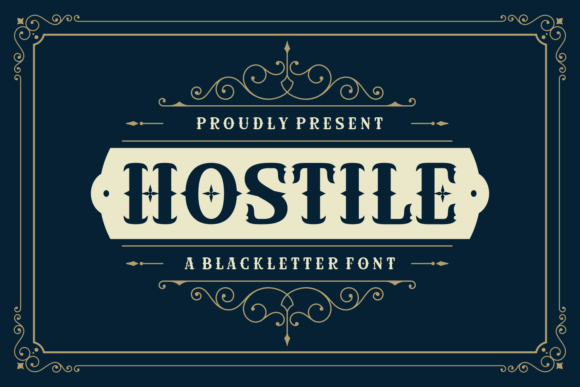
The Hostile font, with its bold blackletter design, evokes a sense of history, strength, and character. This vintage-style typeface is not just an aesthetic choice; it's a strategic decision that can enhance your brand identity, improve visual communication, and align with seasonal themes like early autumn. When used thoughtfully, Hostile can serve as a powerful visual anchor in marketing materials, labels, posters, and more.
Understanding the Power of Blackletter Fonts
Blackletter fonts, such as Hostile, have their roots in medieval calligraphy. They convey a rich heritage and often evoke imagery of old-world craftsmanship, tradition, and authority. These characteristics make them particularly effective for brands or creators aiming to communicate a message of endurance, authenticity, or timeless value.
Hostile takes this classic style and refines it into something both modern and nostalgic. Its sharp angles and strong contrast are perfect for creating eye-catching visuals without sacrificing legibility in appropriate contexts. The font’s versatility allows it to be used across different media—from print to digital—while maintaining a consistent tone and feel.
Strategic Use Cases for Hostile
- Branding: If your brand identity centers around tradition, luxury, or artisanal quality, Hostile can reinforce these values visually. Consider using it in logos, taglines, or packaging where a distinctive and memorable appearance is key.
- Labels and Packaging: For products with a vintage flair—such as wines, handcrafted goods, or niche consumer items—Hostile adds a layer of sophistication and intrigue. It helps differentiate your product on crowded shelves by offering a unique typographic signature.
- Posters and Event Promotion: Whether you're advertising a concert, a local festival, or a historical reenactment, Hostile brings gravitas to your designs. Its commanding presence ensures your message stands out, especially when paired with earthy tones and textures common in early autumn visuals.
- Content Creation and Publishing: Bloggers, publishers, and educators can use Hostile to highlight quotes, headers, or section titles. It works especially well for content that explores themes like legacy, storytelling, or cultural heritage.
Aligning Hostile with Your Goals and Planning
To maximize the impact of Hostile, it must be aligned with your overall goals and planning strategy. Begin by asking yourself what message you want to communicate and how typography plays into that narrative. Does Hostile support the emotional weight of your message? Will it resonate with your target audience?
If your objective is to create a lasting impression or evoke nostalgia, Hostile is an excellent fit. However, if your content is data-heavy or requires high readability at small sizes, consider pairing it with a more neutral supporting font. Thoughtful typography isn’t about choosing the most dramatic option—it’s about selecting the right tool for the job.
Planning Tips for Effective Typography
- Define the Tone and Purpose: Before incorporating Hostile into your design, clarify whether you’re aiming for elegance, rebellion, or something else entirely. The font’s character should complement—not clash with—your brand voice.
- Test in Context: Apply Hostile to real-world examples like mock-ups of posters or website headers. See how it performs under various lighting conditions, screen resolutions, and print formats.
- Balance with Other Elements: Pair Hostile with clean, minimalist layouts to avoid overwhelming your audience. Use contrasting colors or subtle textures to guide attention and maintain visual harmony.
- Consider Accessibility: While Hostile has a strong personality, ensure it doesn’t compromise readability for users with visual impairments. Always provide alternative text or readable fallback options for critical content.
When to Rely on Hostile and When to Hold Back
There are times when Hostile will shine and others when it may fall flat. Early autumn is one of those moments where the font finds its natural habitat. Think cozy cafes, harvest festivals, or even back-to-school promotions that lean into a warm, earthy palette. In these cases, Hostile’s vintage charm can help establish an inviting yet authoritative atmosphere.
Conversely, Hostile may not be suitable for all audiences or industries. For example, tech startups or health-focused brands might find the font too heavy or outdated for their messaging. Use it sparingly in these environments, perhaps only for headlines or decorative elements, rather than full body text.
Realistic Use Cases for Hostile
- A craft brewery uses Hostile for its logo and label designs, reinforcing its image as a traditional, locally made product.
- An independent book publisher chooses Hostile for promotional posters highlighting classic literature events.
- A boutique coffee shop integrates Hostile into its seasonal menu board for pumpkin spice specials, giving customers a warm, autumnal vibe.
- A wedding planner includes Hostile in rustic-themed invitations to emphasize the event’s vintage-inspired décor and ambiance.
Intentional Design: Avoiding Random Typography Choices
One of the biggest risks of using Hostile—or any distinctive font—is applying it without clear intent. Random use can dilute your message and confuse your audience. Instead, approach typography as part of a larger design strategy. Ask questions like:
- Does Hostile reflect the core values of my brand?
- Will it work effectively across all platforms and devices?
- Am I using it to enhance meaning or simply for aesthetics?
By answering these questions upfront, you’ll avoid falling into the trap of overusing Hostile in situations where it doesn’t add strategic value. Remember, good design supports clarity and purpose—not just looks.
Long-Term Value and Decision-Making Guidance
Typography choices have long-term implications for your brand’s perception and consistency. Once you’ve decided to use Hostile, integrate it into your style guide to ensure it remains a deliberate element in your visual communication. Over time, this intentional use builds familiarity and trust among your audience.
For marketers and entrepreneurs, Hostile can become part of a broader toolkit for positioning. It’s not just about looking good—it’s about feeling right. When you pair Hostile with thoughtful copywriting and cohesive branding, you create a compelling narrative that resonates beyond surface-level impressions.
Maximizing Creativity and Productivity with Hostile
Using Hostile can also spark creativity in your team. Because of its striking appearance, it encourages designers to think outside the box when it comes to layout, color schemes, and composition. However, this creative potential needs to be harnessed strategically. Set clear guidelines for when and how Hostile should be used to prevent inconsistency or misuse.
From a productivity standpoint, Hostile streamlines the design process by offering a strong typographic foundation. You won’t need to experiment endlessly with other fonts to find the right match. Still, always keep accessibility and usability top of mind—especially if your audience spans multiple generations or device types.
Operational Integration and Customer Experience
Operational efficiency is another area where Hostile can contribute. If you're designing templates for regular use—like social media graphics or email newsletters—having a reliable font like Hostile can reduce the time spent on revisions and approvals. It gives your team a shared visual language they can work from consistently.
On the customer experience side, Hostile can enhance engagement through visual storytelling. For instance, a poster promoting a vintage car show with Hostile typography immediately sets the scene and invites curiosity. Customers form associations quickly, and the right font can help shape those perceptions before they even read the words.
Learning Through Typographic Strategy
As professionals grow in their understanding of design, they begin to see typography not just as a stylistic choice but as a strategic component. Hostile teaches valuable lessons in this regard. It challenges users to consider the emotional resonance of their designs and how every visual element contributes to the overall message.
Freelancers and hobbyists can benefit from studying how Hostile interacts with different styles and settings. Try integrating it into simple projects first—like personal blogs or small business signage—to understand its strengths and limitations. Over time, you'll develop a nuanced approach to using it effectively in more complex scenarios.
Decision-Making Framework for Using Hostile
Here’s a quick framework to guide your next typographic decision involving Hostile:
- Clarify your goal: What do you want to achieve with this piece of content or design?
- Evaluate the context: Where will Hostile appear? How much space is available? What’s the background?
- Assess the audience: Is Hostile likely to appeal to or alienate your target demographic?
- Plan for consistency: Will Hostile fit within your existing brand assets and style guide?
- Measure the outcome: After implementation, track engagement and feedback to determine if Hostile is serving its intended purpose.
Final Thoughts on Strategic Typography
In summary, Hostile is more than a font—it’s a tool that, when used intentionally, can elevate your brand’s visual communication. Its vintage style and commanding presence make it ideal for early autumn campaigns and projects requiring a touch of gravitas. But success lies in the details: knowing when to deploy it, how to balance it with other design elements, and ensuring it aligns with your broader strategic objectives.
Whether you're an entrepreneur launching a new product line, a marketer crafting a seasonal campaign, or a creator developing a portfolio, Hostile offers a unique opportunity to stand out while staying grounded in purpose. Let it speak for you—but always with direction.