Dread Monster: A Strategic Design Tool for Conveying Darkness and Fear
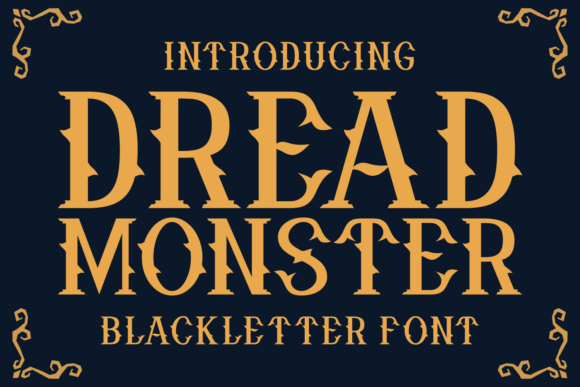
In the world of design, typography plays a pivotal role in shaping perception. Fonts are not just tools for readability; they’re strategic instruments that communicate tone, intent, and emotion. One such font that stands out for its dramatic impact is Dread Monster. With its sharp edges, gothic curves, and medieval-inspired aesthetic, Dread Monster delivers a bold and menacing style perfect for projects requiring an eerie yet stylish presence.
Understanding the Power of Dread Monster
Dread Monster is a blackletter font, characterized by its ornate, angular strokes and intricate details. This typeface evokes a sense of antiquity and foreboding, making it particularly effective for themes like horror, Halloween, dark fantasy, and heavy metal. Its visual weight and contrast can command attention and set a strong emotional tone from the outset.
For designers and content creators aiming to craft immersive experiences or evoke specific moods, Dread Monster offers a compelling solution. It’s not just about aesthetics—it’s about intentionality. When used correctly, this font can become a powerful tool in your branding, marketing, or creative arsenal.
Strategic Use in Branding and Marketing
Fonts like Dread Monster are often overlooked as more than just stylistic choices. In reality, they contribute significantly to brand identity and audience engagement. Consider how a heavy metal band might use Dread Monster on their logo to signal raw power and intensity. The font doesn’t just look good—it tells a story before a single word is read.
- Positioning: Dread Monster can help position a product or service as edgy, unconventional, or even subversive. This can be especially valuable in niche markets where standing out is crucial.
- Emotional Impact: By leveraging the spooky and dramatic elements of Dread Monster, you can create designs that resonate emotionally with audiences who appreciate darker themes.
- Consistency: When incorporated into a cohesive visual language, Dread Monster supports brand consistency across posters, websites, packaging, and promotional materials.
When and How to Use Dread Monster Effectively
The key to using any specialized font lies in knowing when it fits the context. Dread Monster isn’t a one-size-fits-all solution, but when deployed thoughtfully, it can elevate your message and visuals dramatically. Here are some practical scenarios where Dread Monster shines:
- Horror Posters and Trailers: Whether you're promoting a new horror film or a local haunted house, Dread Monster adds an air of dread and suspense that aligns perfectly with the genre.
- Halloween-Themed Content: From event flyers to social media posts, this font can give your holiday promotions a chilling edge that draws in your target audience.
- Heavy Metal Band Logos: Bands that want to project strength, rebellion, or a connection to darker musical roots often find Dread Monster to be a fitting typographic choice.
- Dark Fantasy Game Titles: If your game’s narrative revolves around ancient prophecies, cursed lands, or shadowy realms, Dread Monster can reinforce that atmosphere visually.
Before integrating Dread Monster into your project, consider your audience and purpose. Will the font's intense character appeal to them? Does it support the message you want to convey? These questions will guide your decision-making and prevent overuse or misuse.
Planning Tips for Intentional Typography
Using Dread Monster intentionally requires careful planning. Here’s how to approach it strategically:
- Define Your Message First: Ensure your content or campaign has a clear objective. Dread Monster should enhance—not obscure—that message.
- Balance with Other Elements: Pair it with appropriate imagery, color schemes, and layout styles to maintain harmony. For example, use deep reds and blacks alongside it for maximum effect.
- Test Across Platforms: Make sure the font looks consistent and readable on different devices and screen sizes. Blackletter fonts can sometimes be too busy for smaller screens.
- Limit Usage: Because of its strong personality, Dread Monster works best in short bursts—logos, headlines, taglines—not long blocks of text.
Real-World Applications and Creative Opportunities
Let’s explore how Dread Monster can be applied across industries and creative fields:
Creative Industries
In the entertainment sector, Dread Monster is frequently used to design movie posters, album covers, and book titles. For instance, a dark fantasy novel titled “The Veil of Shadows” would benefit greatly from Dread Monster in the title, immediately signaling the reader to expect a tale steeped in mystery and fear.
Marketing and Advertising
Brands targeting fans of horror, gaming, or alternative lifestyles may find Dread Monster useful in campaigns aimed at creating a memorable first impression. Think of a themed bar promoting a “Midnight Masquerade” event. Using Dread Monster in the event’s name can instantly establish the right vibe and attract the intended crowd.
Education and Training
Though less common, educators and trainers in niche subjects (e.g., history of the occult, Gothic literature) might use Dread Monster in presentations or course materials to engage students and emphasize the thematic nature of the subject matter.
Risks of Overusing Dread Monster
While Dread Monster can add flair and depth to your designs, it also carries risks if used without clear goals or context. Some potential issues include:
- Misalignment with Brand Identity: If your brand doesn’t naturally fit the gothic or horror genres, Dread Monster could confuse your audience or dilute your messaging.
- Readability Concerns: The ornate nature of blackletter fonts can make them harder to read, especially at smaller sizes or in digital formats. Always test legibility before finalizing a design.
- Cultural Sensitivity: Blackletter fonts have historical ties to certain contexts, including political ones. Be mindful of these associations and ensure your usage is respectful and appropriate.
To avoid these pitfalls, use Dread Monster selectively and always with a clear purpose. Let it serve the message rather than overshadow it.
Integrating Dread Monster into Your Workflow
Here’s how to incorporate Dread Monster into your workflow effectively:
- Start with a Mood Board: Visualize how Dread Monster will fit within your overall design theme. Gather images, colors, and other fonts to see how it interacts.
- Use It Sparingly: Apply Dread Monster to only the most impactful parts of your design—like main headlines or logos—to preserve clarity and focus.
- Consider Accessibility: Ensure there’s sufficient contrast between the font and background, and provide alternatives for users who may struggle with its complexity.
- Pair with Complementary Fonts: Use simpler sans-serif or serif fonts for body copy to balance the design and improve user experience.
Long-Term Value and Decision-Making Guidance
Typography is often seen as a short-term design choice, but its impact can be long-lasting. Choosing the right font like Dread Monster can influence how your brand or content is perceived over time. As a result, it’s important to evaluate the font within the broader context of your long-term strategy.
Ask yourself:
- Does Dread Monster align with our brand values and visual identity?
- Will it continue to be relevant as trends evolve?
- How does it affect user experience and accessibility?
These considerations help ensure that your use of Dread Monster is both intentional and sustainable. Remember, the goal is not to chase trends but to build a consistent and meaningful visual language that resonates with your audience year after year.
Examples of Thoughtful Integration
Let’s look at a few real-world examples where Dread Monster was used to great effect:
- Movie Poster Design: A cult horror film titled “Crimson Moon” uses Dread Monster in the title, paired with crimson accents and a full moon illustration. The font enhances the ominous feel of the poster while maintaining clarity.
- Event Promotion: A Halloween-themed escape room named “The Crypt Experience” employs Dread Monster for the headline, reinforcing the mysterious and thrilling nature of the event.
- Game Logo: A dark fantasy RPG called “Eclipse Dominion” features Dread Monster prominently in its logo, helping players immediately associate the game with its medieval, mystical setting.
Each of these examples demonstrates how Dread Monster can be used to support storytelling, enhance immersion, and build brand recognition in a way that feels natural and authentic.
Conclusion
Dread Monster is more than just a font—it’s a design element that conveys mood, meaning, and memory. When used with intention and understanding, it can strengthen your visual communication and connect with audiences on a deeper level. However, its power comes with responsibility. Careful planning, alignment with brand goals, and consideration of usability are essential to unlocking its full potential.
As you move forward in your design projects, ask whether Dread Monster serves your message and mission. If so, use it boldly—but wisely. The right font can make all the difference in capturing attention, building trust, and leaving a lasting impression.