Rockely: A Bold Display Font for Rock-Inspired Design Projects
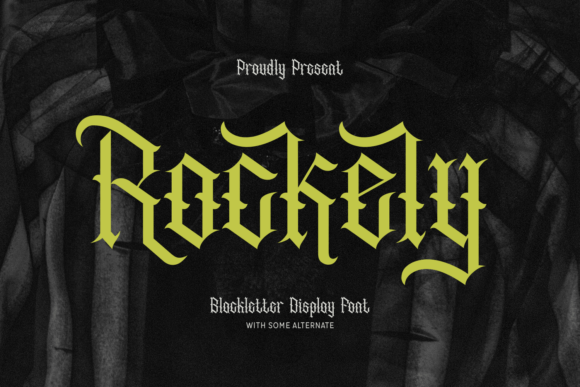
When it comes to creating a strong visual identity, especially in the world of music and fashion, typography plays a crucial role. Fonts are more than just letters on a page—they convey emotion, genre, and attitude. For designers working within the rock or metal space, finding the right typeface can be the difference between an impactful logo and one that fails to resonate. Enter Rockely, a modern blackletter display font inspired by classic gothic lettering. With its sharp, angular forms and alternate characters, Rockely offers a powerful tool for crafting bold, memorable designs.
Understanding the Need for the Right Font
Designers often face the challenge of matching a font’s aesthetic with the message or brand they're representing. In the case of rock bands, streetwear brands, or any design project with a gritty, rebellious edge, a standard sans-serif or serif font simply won’t do. The need for something distinctive—something that screams character—is where Rockely shines. It's not just about looking good; it's about making a statement.
Many professionals struggle with overused fonts that lack originality. While some may lean toward traditional blackletter styles for authenticity, these can sometimes feel outdated or overly complex. Rockely bridges this gap by combining the timeless appeal of gothic lettering with contemporary design elements, making it both versatile and fresh.
Why Choose Rockely for Your Project?
Rockely is ideal for anyone seeking a font that captures the essence of rock culture without being too heavy-handed. Its angular structure gives it an aggressive edge, while its alternate characters allow for creative customization. Whether you’re designing a band logo, a T-shirt graphic, or promotional materials for a live event, Rockely adds the right amount of grit and flair.
One of the biggest advantages of Rockely is its adaptability. It works well in large formats, like posters and banners, where impact is key. At the same time, it retains enough clarity to be used effectively in smaller sizes for things like album covers or embroidered patches. This makes it a practical choice for a wide range of applications, from digital to print media.
Key Considerations When Using Rockely
- Legibility: While Rockely has a dramatic look, it’s important to use it in contexts where readability isn't compromised. Avoid using it for long blocks of text or small body copy.
- Color Contrast: To make the most of Rockely’s bold style, pair it with high-contrast colors. Black on white or metallic finishes work particularly well to enhance its edgy appearance.
- Alternate Characters: Take advantage of Rockely’s included alternate glyphs to add uniqueness to your designs. These variations can subtly change the tone or visual interest of a logo or headline.
- Spacing and Kerning: Due to its dense, gothic structure, careful attention should be paid to spacing when using Rockely. Proper kerning ensures the font remains visually balanced and easy to read at a glance.
Practical Applications of Rockely
The versatility of Rockely allows it to fit into multiple niches. Here are a few common use cases where it excels:
Band Logos and Music Branding
For musicians and bands in the rock or metal genres, having a logo that reflects their sound is essential. Rockely brings a sense of power and tradition to these logos, helping them stand out in a crowded market. Its angular forms echo the intensity of hard-hitting riffs and thunderous drums, making it a natural fit for branding in this space.
Apparel and Merchandise Design
Graphic tees, hoodies, and other apparel often require a font that commands attention. Rockely’s strong presence works well for short phrases, band names, or even as a background element. Its alternate characters provide options for different stylistic approaches, ensuring each piece feels unique and intentional.
Event Posters and Promotional Materials
Whether it's a local gig or a major festival, event posters must grab attention quickly. Rockely helps create that instant visual punch, especially when paired with dynamic imagery and a cohesive color palette. It’s also great for titles and taglines that need to be seen from a distance.
Album Covers and Track Listings
Album art is another area where Rockely can make a big impact. Its ability to maintain legibility while still delivering a strong visual presence means it can be used for titles, artist names, and even track listings. The font’s historical roots in gothic lettering give it a timeless quality that appeals to fans of all eras of rock music.
How Different Users Can Approach Rockely
Depending on your experience level and specific needs, there are several ways to incorporate Rockely into your workflow:
For Beginners
If you're new to typography or design, start by experimenting with Rockely in simple projects like mock-up logos or social media headers. Use online tools such as Adobe Express or Canva to test how it looks with different backgrounds and colors. Focus on learning the basics of contrast, alignment, and hierarchy before diving into more complex layouts.
For Intermediate Designers
Intermediate users can take full advantage of Rockely’s alternate characters and layering capabilities. Try combining Rockely with complementary fonts—like a clean sans-serif for supporting text—to balance its intensity with readability. Also consider how texture overlays or gradients might enhance the overall look of a design featuring Rockely.
For Professionals
Experienced designers will appreciate Rockely’s flexibility and depth. Use it as part of a multi-font system in editorial design, marketing campaigns, or even app interfaces where a bold typographic element is needed. Explore advanced techniques like custom ligatures or integrating the font into vector graphics for maximum creative control.
Getting Started with Rockely
Incorporating Rockely into your next project doesn’t have to be complicated. Here are a few tips to help you begin:
- Download the Font: Ensure you obtain a legal license for Rockely, whether through a font foundry or trusted marketplace. This guarantees you can use it across platforms without copyright issues.
- Test It Out: Before finalizing a design, test Rockely in various sizes and contexts. How does it look on a neon sign? What about printed on fabric? Seeing it in real-world scenarios can reveal its strengths and limitations.
- Pair Wisely: Since Rockely is a display font, always pair it with a secondary font for body text. A minimalist sans-serif or a rugged slab serif can complement it beautifully, depending on the mood you want to set.
- Customize for Impact: Don’t hesitate to adjust the font’s weight or apply effects like drop shadows, outlines, or distressed textures to enhance its presence in your design.
Real-World Examples of Rockely in Action
Though we can’t show actual images here, imagine Rockely used in the following scenarios:
- A band named “Ironfall” uses Rockely in all caps for their logo, paired with a blood-red gradient and jagged edges to emphasize their dark, heavy sound.
- An indie record label creates a poster for a vinyl release party, using Rockely for the title and a soft charcoal gray for the subtitle, giving the poster a vintage yet modern feel.
- A streetwear brand integrates Rockely into a limited-edition hoodie design, combining it with abstract shapes and metallic foil accents for a high-end, edgy look.
These examples highlight how Rockely can be adapted to suit different purposes while maintaining a consistent visual language. The key is to understand your audience and match the font’s energy to their expectations.
Final Thoughts on Rockely
In a market flooded with generic fonts, Rockely stands out by offering a unique blend of tradition and innovation. Its modernized blackletter style makes it a compelling choice for anyone involved in rock-inspired design. From musicians to marketers, this font provides a reliable solution for creating visuals that are both striking and meaningful.
As with any design tool, the effectiveness of Rockely depends on how well it’s applied. By understanding the principles of good typography and aligning them with the font’s characteristics, you can unlock its full potential and craft designs that truly connect with your audience.