Remoena: A Timeless Blackletter Font for Autumn-Inspired Design Projects
When it comes to selecting the right font for a design project, especially one with a seasonal or historical theme, attention to detail is key. Remoena, a blackletter font, stands out for its ornate character and classic aesthetic, making it particularly well-suited for autumn branding, posters, and labels. Its spurred serifs and Victorian-style elements evoke a sense of nostalgia and tradition that aligns perfectly with the rich visual language of fall. In this article, we’ll explore what makes Remoena unique, how it compares to similar fonts, and when it might be the best choice for your creative needs.
The Distinctive Characteristics of Remoena
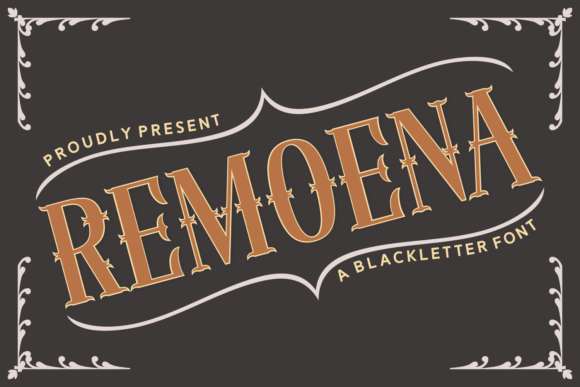
Blackletter fonts are known for their bold, calligraphic strokes and intricate details, and Remoena is no exception. This font features exaggerated letterforms with pointed, angular shapes and decorative flourishes that give it a distinctive, handcrafted appearance. The spurred serifs — small projections at the end of strokes — add an extra layer of elegance and complexity, reminiscent of the typographic styles popular in the 19th century.
What sets Remoena apart from other blackletter typefaces is its balance between readability and ornamentation. While many blackletter fonts can become difficult to read in large blocks of text, Remoena maintains a level of clarity that allows it to function effectively in both short phrases and extended passages when used thoughtfully. Its Western-inspired design also gives it a slightly more approachable look than some of its more traditional Gothic counterparts, broadening its appeal across various industries and applications.
Historical and Seasonal Aesthetic Appeal
Fonts like Remoena are often associated with themes of history, heritage, and autumn. Its design captures the essence of Victorian-era typography, which was widely used for formal documents, invitations, and signage. This connection to the past makes it ideal for projects aiming to convey a sense of timelessness or authenticity.
In the context of seasonal design, particularly for autumn, Remoena’s deep, dark tones and ornate structure complement warm color palettes and natural textures such as wood grain, parchment, and aged paper. It works especially well for holiday promotions, harvest-themed branding, and vintage-style packaging, where the goal is to create a nostalgic and immersive experience for the viewer.
Comparing Remoena with Other Decorative Fonts
While Remoena belongs to the broader category of blackletter fonts, it has specific traits that differentiate it from other options in the market. For example, compared to modern sans-serif fonts, Remoena offers a dramatic contrast in style and mood. Sans-serif fonts tend to feel clean, minimalist, and contemporary, whereas Remoena exudes a sense of grandeur and formality.
Against other script or serif fonts, Remoena holds its own by combining the fluidity of calligraphy with the structural rigidity of Gothic lettering. Script fonts often prioritize cursive flow and individual character uniqueness, while Remoena focuses on consistency and symmetry, making it more versatile for certain uses like headlines or logos where legibility matters even in stylized forms.
Best-Fit Situations for Remoena
- Branding and Packaging: Remoena is excellent for brands that want to evoke a sense of tradition or craftsmanship. Think artisanal foods, vintage clothing lines, or luxury candles. Its ornate style can elevate the perceived value of a product.
- Event Invitations and Posters: Whether it's for a fall festival, a themed dinner, or a historical reenactment, Remoena adds a touch of sophistication and visual interest that aligns with the event’s atmosphere.
- Labels and Signage: Its strong visual presence makes it suitable for labels on products like wine bottles, handmade soaps, or craft beer cans. The font commands attention without overwhelming the design.
- Print Media and Stationery: From book covers to greeting cards, Remoena can be used creatively in print media where texture and tone are essential components of the design.
Limitations and Considerations
Despite its strengths, Remoena isn’t always the best fit for every design challenge. One limitation is its readability in digital formats, especially at smaller sizes. Because of its high level of decoration and dense letter spacing, it may not render clearly on mobile screens or in low-resolution contexts. As such, designers should consider using it primarily for print materials or as a display font in web designs rather than body text.
Additionally, due to its elaborate nature, Remoena requires careful pairing with supporting fonts. Using it alongside a simpler sans-serif or serif font helps maintain a balanced composition and ensures that the message remains clear and accessible. Color contrast is another important factor — lighter backgrounds generally highlight the depth of the font better than darker ones.
Practical Examples of Remoena in Use
To better understand how Remoena can be applied, let’s look at some realistic scenarios:
- Autumn Festivals: A local harvest festival could use Remoena for their main banner and promotional flyers. The font would enhance the rustic, old-world charm of the event, drawing attention and creating a cohesive visual identity.
- Book Covers and Titles: For a historical fiction novel set during the Victorian era, Remoena could serve as the title font, reinforcing the setting and giving readers a visual cue about the story’s tone.
- Wine and Spirits Branding: A boutique winery launching a limited-edition “Fall Reserve” line might choose Remoena for bottle labels and tasting room signage to reflect the season’s richness and the brand’s artisanal roots.
- Stationery and Wedding Invites: Although typically associated with autumn, Remoena can also work for elegant wedding invites with a historical or gothic theme. Its beauty and gravitas make it a compelling option for special events.
When to Choose a Different Font Option
Although Remoena is visually striking, there are situations where alternative fonts might be more appropriate. If the design requires long-form text, such as articles or website copy, a more legible font like Georgia, Garamond, or Open Sans would be better suited. These fonts ensure easy reading without sacrificing typographic quality.
For casual or modern branding, a sans-serif font like Montserrat or Lato might provide a cleaner, more adaptable look. Similarly, if you're targeting a younger demographic or aiming for a minimalist aesthetic, Remoena’s heavy ornamentation could clash with the intended vibe. In such cases, opting for a simpler or trendier font might be more effective.
Design Tips for Working with Remoena
Here are some practical tips to help you get the most out of Remoena in your projects:
- Use Sparingly: Given its ornate nature, it’s best to use Remoena for headings, titles, or accents rather than full paragraphs. This preserves its impact and prevents visual fatigue.
- Pair with Simplicity: Balance Remoena with a neutral secondary font to guide the reader through the content. This creates a harmonious hierarchy and improves overall readability.
- Experiment with Contrast: Try different color combinations to see how Remoena performs. Darker versions of the font work exceptionally well against light backgrounds, but subtle variations can also be effective for softer designs.
- Consider Context: Ensure the font complements the subject matter. For instance, using it in a children’s book might not be suitable unless the story is intentionally set in a historical or fantasy context.
Accessibility and Readability
Accessibility is an important consideration when working with highly decorative fonts like Remoena. While it excels in visual storytelling, its complex forms can pose challenges for users with visual impairments or those accessing content on smaller screens. To mitigate this, designers should test the font at various sizes and distances, and ensure that it doesn’t compromise the legibility of the core message. Providing alt-text for images and using descriptive formatting for digital content can also help maintain accessibility standards.
Conclusion
Remoena is a standout blackletter font that brings a touch of Victorian elegance and seasonal warmth to design projects. With its spurred serifs and classical structure, it’s perfect for branding, posters, and labels that aim to capture a rich, historical aesthetic. However, its effectiveness depends heavily on the context in which it’s used. When paired with complementary elements and employed thoughtfully, Remoena can enhance visual storytelling and leave a lasting impression.
Ultimately, the decision to use Remoena should be based on the goals of your project. If you’re looking to create a nostalgic, autumnal atmosphere or emphasize tradition and craftsmanship, it’s an excellent choice. But for more straightforward communication or digital-first applications, other fonts may serve you better. By understanding its strengths and limitations, you can make a more informed decision that aligns with your audience’s expectations and your brand’s identity.