Kolger: A Bold Reinvention of Gothic Typography in Modern Design
In the ever-evolving world of typography, certain fonts stand out not just for their aesthetic appeal but for their ability to encapsulate a unique design philosophy. Kolger is one such font that has captured the imagination of designers across industries. Combining the rich heritage of blackletter with a fresh, contemporary twist, Kolger offers a striking visual identity that resonates with both traditional and modern sensibilities.
The Evolution of Blackletter and the Emergence of Kolger
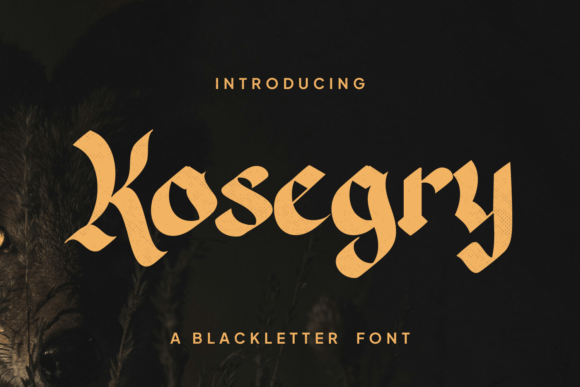
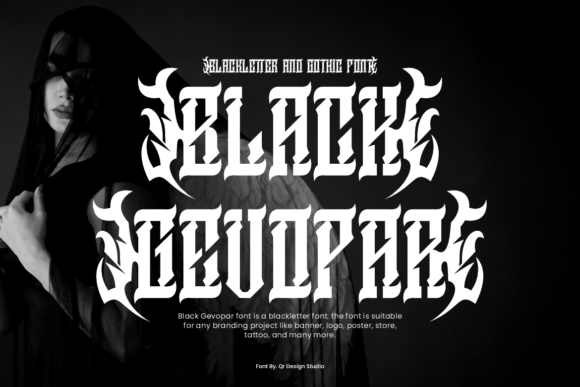
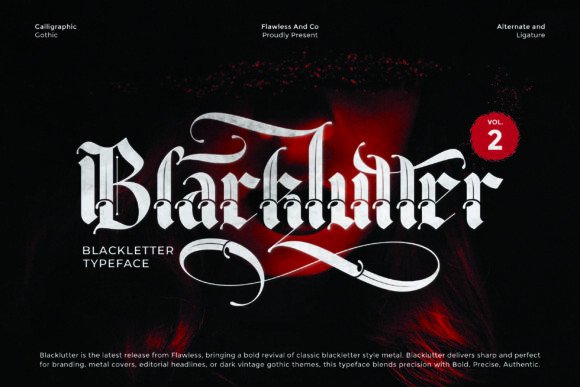
Blackletter, also known as Gothic script, has long been associated with medieval manuscripts, religious texts, and historical documents. Its intricate, angular strokes and dense letterforms convey a sense of gravitas and timelessness. While blackletter fonts have enjoyed periodic resurgences in pop culture and branding, they often remain confined to niche applications due to their complex nature.
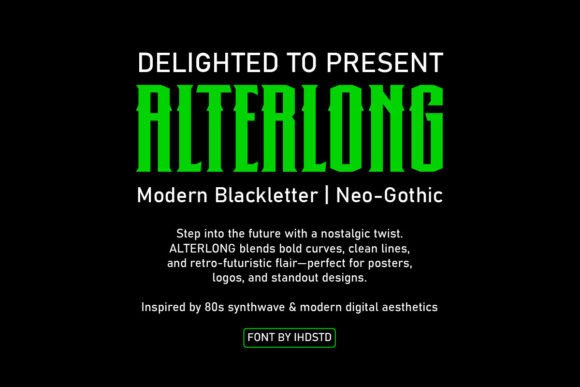
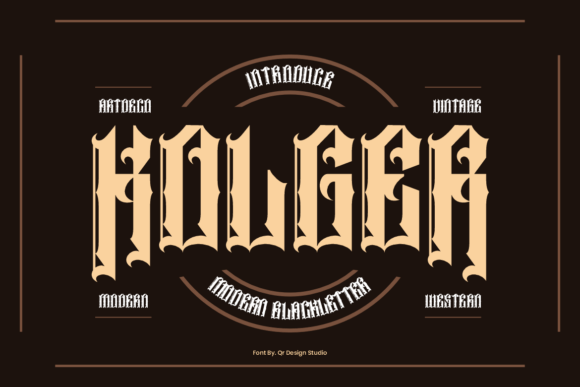
Kolger breaks this mold by reinterpreting blackletter through a modern lens. It retains the vertical emphasis and tightly packed strokes typical of its predecessors but introduces softened serifs and symmetrical arches that lend it a polished, contemporary edge. This fusion allows Kolger to bridge the gap between classic elegance and bold, forward-thinking design—making it more versatile than many traditional blackletter options.
Why Kolger Fits Into Today’s Creative Landscape
Designers today are constantly seeking ways to differentiate their work in an oversaturated market. Fonts play a crucial role in this distinction, especially when they can evoke a specific mood or era while still being functional and adaptable. Kolger meets these demands head-on by offering a unique visual rhythm and a strong typographic presence that doesn’t compromise on legibility or usability.
Its dramatic curves and ornamental points create a sense of movement and energy, which aligns well with current trends in branding and visual storytelling. Whether used in vintage logos, barbershop signs, tattoo designs, or heavy branding projects, Kolger commands attention with authority and conveys a message of strength and sophistication.
Industry Relevance and Market Trends
Across multiple sectors—from fashion to technology—there is a growing appreciation for fonts that blend heritage with innovation. In the realm of vintage branding, Kolger provides a perfect fit for businesses looking to establish a nostalgic yet powerful visual identity. Barbershops, for example, often use blackletter fonts to project tradition and craftsmanship, but Kolger elevates this look with a bold, art-deco inspired flair that feels both authentic and modern.
In the digital marketing space, Kolger can be a valuable asset for creating high-impact headlines and promotional materials. Its ability to stand out in a crowded digital landscape makes it particularly effective for campaigns targeting audiences who appreciate strong visual statements and cultural references.
Freelancers and entrepreneurs, too, are finding value in Kolger. As personal brands become increasingly important in competitive markets, having a signature font that reflects professionalism and personality is key. Kolger’s balance of rigidity and fluidity mirrors the dual needs of many professionals: to appear authoritative while remaining approachable and stylish.
What Makes Kolger Unique?
One of the standout features of Kolger is its sculptural fluidity. Unlike rigid sans-serif fonts or overly decorative scripts, Kolger manages to maintain a sense of structure while allowing each glyph to flow naturally. This duality is especially effective in print and digital media where contrast and depth are essential for visual impact.
Additionally, Kolger includes PUA (Private Use Area) encoding, which means users can access special characters and decorative elements directly from their software without needing additional tools or plugins. This makes it incredibly user-friendly for designers working with graphic suites like Adobe Illustrator or Photoshop, streamlining workflows and reducing technical hurdles.
A Font That Adapts to Changing Needs
Modern design is all about adaptability. Clients and consumers now expect brands to evolve while maintaining core identity. Kolger supports this need by offering a font that can transition seamlessly between traditional and contemporary aesthetics. For instance, a brand launching a new product line might use Kolger in a minimalist layout for a sleek, modern feel, or in a more elaborate format to evoke a sense of history and legacy.
This flexibility is further enhanced by the font's wide range of glyphs and stylistic variations. Designers can experiment with different weights and spacing to tailor the font to specific use cases—whether it’s for a large-scale billboard or a compact social media post. The result is a font that remains relevant across diverse platforms and mediums.
Real-World Applications and Observations
Many successful brands and creative professionals have already integrated Kolger into their work. One notable example is its use in vintage-inspired logos for craft breweries and artisanal products. These industries thrive on authenticity and character, and Kolger delivers exactly that with its gothic roots and modern enhancements.
In the realm of tattoos, Kolger has found a natural home. Tattoo artists often seek fonts that are both visually compelling and structurally sound for body art. Kolger’s clean lines and balanced proportions make it ideal for intricate designs, while its boldness ensures visibility and impact even at smaller sizes.
- Craft Beer Labels: Kolger adds a touch of old-world charm while keeping the label design modern and eye-catching.
- Barber Shops and Salons: The font reinforces the idea of skilled, timeless craftsmanship with a contemporary twist.
- Apparel Branding: Used in taglines and emblems, it helps communicate a brand’s heritage and uniqueness.
- Digital Marketing Assets: Its strong visual rhythm makes it excellent for headlines and banners that demand attention.
Consumer Preferences and Design Expectations
Today’s consumers are more visually discerning than ever. They are drawn to brands that tell a story and offer a sensory experience beyond the product itself. Typography plays a pivotal role in this narrative, and Kolger contributes significantly by evoking a sense of nostalgia and confidence simultaneously.
Moreover, there is a shift towards fonts that reflect individuality and purpose. Generic typefaces no longer suffice in a world where differentiation is key. Kolger addresses this by providing a distinctive voice that stands apart from the usual suspects in the design industry. It speaks to audiences who appreciate boldness, history, and a hint of rebellion—all while maintaining a level of refinement that aligns with professional expectations.
Bridging Tradition and Innovation
The resurgence of interest in blackletter fonts isn't just about aesthetics—it's also about connecting with cultural narratives. Kolger taps into this by honoring the gothic tradition while embracing modern design principles. This makes it not only a tool for visual expression but also a medium for storytelling.
From a technological standpoint, Kolger benefits from advancements in font development. High-quality OpenType support ensures that it works smoothly across devices and platforms, adapting to varying screen resolutions and print standards. This reliability is crucial for professionals who rely on consistent output for client deliverables.
At the same time, Kolger aligns with broader lifestyle trends. The popularity of retro and vintage styles in fashion, music, and interior design has created a fertile ground for fonts like Kolger. It appeals to creatives who want to infuse their work with a sense of history and timelessness without sacrificing modernity.
Practical Insights for Designers
When incorporating Kolger into a project, it’s essential to consider its visual weight and how it interacts with other design elements. Because of its boldness, it works best in headlines, logos, and titles rather than body text. Pairing it with simpler, more readable fonts can help maintain hierarchy and clarity in layouts.
- Use it for Headlines: Kolger shines in larger formats where its details can be appreciated.
- Pair with Complementary Styles: Combine it with a clean sans-serif or a minimalist serif to balance its intensity.
- Experiment with Color and Texture: Its sharp and curved elements respond well to gradients, shadows, and metallic effects.
- Leverage Decorative Glyphs: With PUA encoding, you can easily incorporate symbols and ligatures to enhance your design.
The Future of Gothic Typography
As design continues to evolve, so does the role of typography. Fonts like Kolger represent a new wave of blackletter styles that are unafraid to innovate while respecting their origins. This trend reflects a broader movement in the creative industry—where heritage is reimagined through modern techniques and technologies.
For entrepreneurs and marketers, staying ahead of this curve is vital. Using a font like Kolger can help position a brand as both rooted in tradition and aligned with contemporary values. It's a subtle but powerful way to communicate quality, authenticity, and a willingness to embrace change.
Freelancers and agencies can also benefit from integrating Kolger into their portfolios. It demonstrates a nuanced understanding of typography and a commitment to using tools that elevate the overall design quality. In a competitive field, this kind of insight can set professionals apart and attract clients who value creativity and attention to detail.
Conclusion
Kolger is more than just a font—it's a statement. By redefining what blackletter typography can achieve in a modern context, it opens up new possibilities for designers across disciplines. Whether you're crafting a logo for a boutique barbershop, designing a tattoo, or building a brand with deep cultural roots, Kolger offers the right mix of attitude and elegance to leave a lasting impression.
Its relevance is underscored by current design trends, consumer preferences, and the ongoing quest for meaningful visual communication. As the creative landscape continues to evolve, fonts like Kolger will remain indispensable for those who seek to stand out with style and substance.