Would Happen: Gothic Elegance in Modern Design
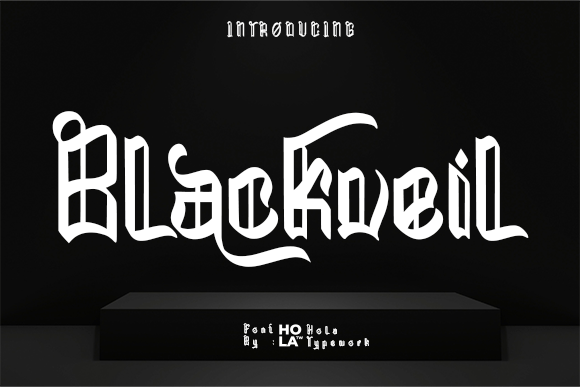
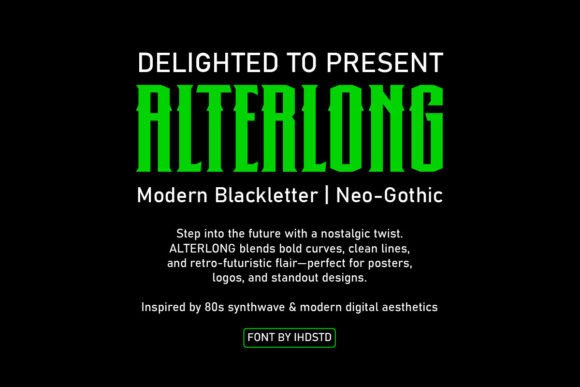
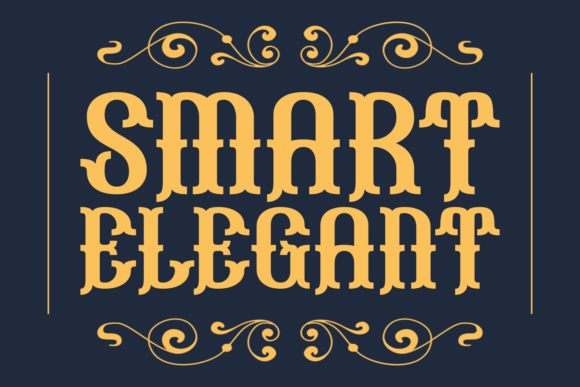
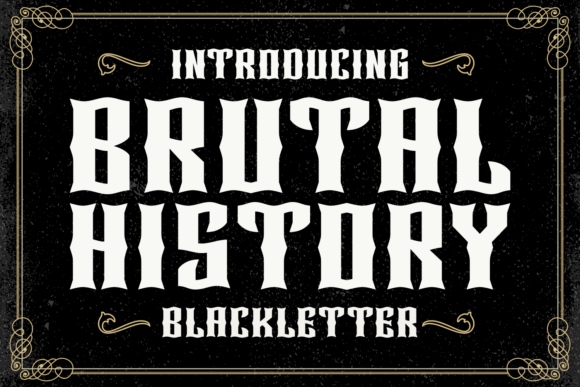
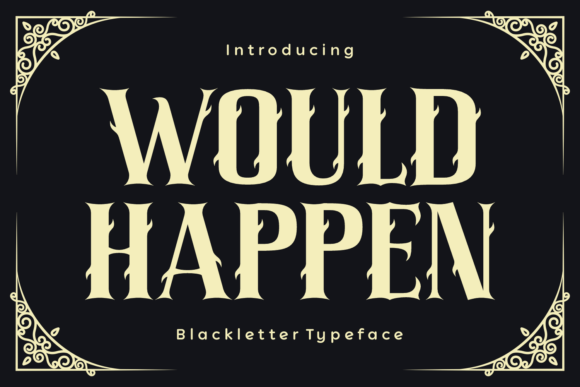
Typefaces are more than just tools for communication—they’re visual storytellers. Would Happen, a bold and refined blackletter typeface, stands out with its sharp edges and elegant gothic details. This font blends the dramatic flair of medieval lettering with the clarity needed for today’s digital and print projects. Whether you're designing a brand identity or crafting an eye-catching poster, Would Happen brings a unique blend of strength and sophistication that can elevate your work.
Why Choose Would Happen?
The decision to use a specific font often hinges on how well it aligns with the message you want to convey. Would Happen is particularly suited for those who want to evoke a sense of mystery, tradition, or power without sacrificing readability. Unlike many blackletter fonts that lean too heavily into their historical roots, Would Happen has been carefully crafted to maintain a modern edge while still honoring the ornate beauty of gothic script.
Enhancing Brand Identity with Timeless Charm
For entrepreneurs and small business owners, choosing the right typography is crucial for building a memorable brand. Would Happen offers a distinctive voice—its gothic structure exudes authority, while its clean lines ensure legibility across various platforms. If your brand is rooted in heritage, craftsmanship, or storytelling, this font can help reinforce that narrative.
Consider a boutique winery looking to launch a new line of premium vintages. The label design needs to reflect quality and history. By incorporating Would Happen into the packaging, they create an immediate connection to time-honored traditions while maintaining a sleek, professional look that appeals to modern consumers.
Creative Projects That Demand Visual Impact
Designers working on book covers, movie titles, or event posters often seek a font that commands attention. Would Happen delivers exactly that. Its strong vertical strokes and intricate detailing make it ideal for headlines or logos where impact is key. Because it retains a level of refinement, it also works well when paired with simpler sans-serif fonts for contrast.
A fantasy novelist, for example, might use Would Happen as the title font for a book cover. The gothic style instantly signals genre while remaining readable enough to avoid alienating potential readers unfamiliar with traditional blackletter designs. This balance ensures the design feels both authentic and accessible.
Apparel and Merchandise with Character
In the world of fashion and merchandise, typography plays a big role in defining the product’s personality. Would Happen can be used effectively on clothing tags, t-shirt prints, or promotional gear to add a layer of intrigue and gravitas. It’s especially fitting for brands that emphasize individuality, vintage aesthetics, or a strong thematic presence.
A streetwear brand launching a limited-edition collection inspired by Renaissance art could use Would Happen on their hoodies or tote bags. The font would not only complement the theme but also stand out against fabric textures and colors, enhancing the overall design appeal without overwhelming it.
Improving Communication Through Typographic Nuance
Good typography supports clear communication. While blackletter fonts are often associated with complexity, Would Happen avoids unnecessary embellishment that could hinder readability. This makes it a solid choice for designers who need to maintain a gothic aesthetic while ensuring that their message remains easy to understand.
Marketing professionals might find Would Happen useful for creating taglines or headers in campaigns targeting niche audiences. A luxury candle brand promoting a “medieval-inspired” spa experience could use the font in promotional materials to enhance the mood and reinforce the theme without confusing customers.
Saving Time with a Versatile Design Tool
One of the biggest advantages of using a well-designed typeface like Would Happen is the efficiency it brings to the creative process. Instead of spending hours adjusting a less suitable font, designers can confidently choose Would Happen knowing it will perform well across multiple applications. Its adaptability reduces the need for constant tweaking and helps streamline workflows.
Freelancers and educators preparing presentation slides or workshop handouts can benefit from this efficiency. Using Would Happen for headings allows them to quickly establish a tone of professionalism and creativity, making their content more engaging without compromising on quality.
Supporting Creative Goals with Strategic Typography
Typography influences perception, and Would Happen is no exception. For creators aiming to build a strong visual identity, this font can serve as a strategic asset. Its ability to bridge old-world charm with contemporary functionality means it can support a wide range of creative goals—from evoking nostalgia to projecting innovation.
Take a graphic designer tasked with updating a local theater company's branding. They could use Would Happen for playbill headers and promotional banners to give the brand a classic yet fresh look. The font adds depth and character to each piece, helping the theater stand out in a competitive market.
Who Benefits Most from Would Happen?
- Brand designers seeking to communicate heritage or sophistication.
- Print and digital artists needing a font that balances drama and clarity.
- Entrepreneurs wanting to craft a memorable and visually compelling brand identity.
- Event planners aiming to create immersive experiences through design.
- Writers and publishers looking to set the right tone for book covers or editorial content.
Real-World Applications and Thoughtful Pairings
Would Happen isn’t just another decorative font—it’s a versatile tool that can be integrated into many design scenarios. When used thoughtfully, it enhances the visual hierarchy and emotional resonance of a project. Here are some practical examples:
- Logo design: Use Would Happen for a logo that needs to feel both powerful and timeless. Its sharpness ensures it looks crisp at any size, which is essential for branding consistency.
- Poster layouts: Incorporate Would Happen in large headline sizes to draw the viewer’s eye immediately. Pair it with a minimalist sans-serif body text to keep the message clear and focused.
- Apparel graphics: Apply the font in a subtle manner on clothing items to add a touch of elegance without overpowering the design. It works especially well in monochrome schemes or with metallic finishes.
- Book covers: Let Would Happen take center stage on a title page to give literature a dramatic opening. This is particularly effective for genres like historical fiction, horror, or fantasy.
When to Consider Alternatives
While Would Happen is a powerful addition to many design kits, it may not always be the best fit. Blackletter fonts can sometimes be difficult to read in long passages or at smaller sizes. If your project requires high levels of legibility—such as body text in a magazine layout—you may want to consider pairing it with a more straightforward font rather than using it alone.
Additionally, the font’s gothic nature may not suit every audience. If your target demographic prefers clean, modern aesthetics, you might explore other options before committing to Would Happen. However, if your goal is to create something memorable and rich in character, it could be the perfect choice.
Recommendations for Best Use
To get the most out of Would Happen, start by considering the context in which it will appear. Use it sparingly in areas where it can have the most impact—like logos, headlines, or short taglines. Avoid overusing it in body copy or situations requiring quick scanning.
Experiment with spacing and alignment to see how it behaves in different environments. Since blackletter fonts often have heavier weights and complex shapes, giving them extra breathing room can improve their visual appeal and readability. Also, think about color choices—Would Happen tends to look best in deep, contrasting tones that highlight its detail.
Thoughtful Observations About Font Choice
Choosing a font is rarely a simple task. It involves understanding your audience, your message, and the medium you're working with. Would Happen shines in projects where the goal is to create a strong first impression. Its unique qualities make it a standout option for those who want to infuse their work with a bit of gothic flair without losing their footing in the modern design landscape.
What makes Would Happen special is its ability to feel both ancient and current. This duality gives designers the freedom to innovate within a traditional framework, making it a valuable asset in a variety of creative fields.
Conclusion
Would Happen is more than just a typeface—it's a statement. With its striking presence and thoughtful design, it brings the best of gothic typography into today’s creative world. Whether you're a designer, marketer, educator, or entrepreneur, this font can help you achieve your goals with elegance and precision. As with any tool, the key is knowing when and how to use it effectively. But for the right project, Would Happen can make all the difference.