Iron Manuscript: A Modern Blackletter Font for Creative and Professional Workflows
Fonts play a pivotal role in visual communication, shaping how messages are perceived across various mediums. Iron Manuscript stands out as a unique blend of classic blackletter design with modern geometric elements, making it a versatile choice for both creative and professional applications. This font is ideal for designers, entrepreneurs, educators, and content creators who seek to add a bold yet refined touch to their projects.
Understanding Iron Manuscript
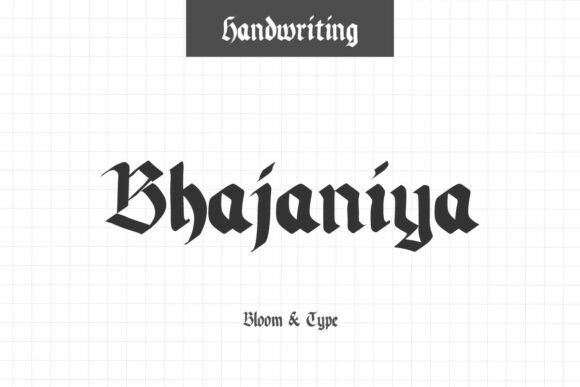
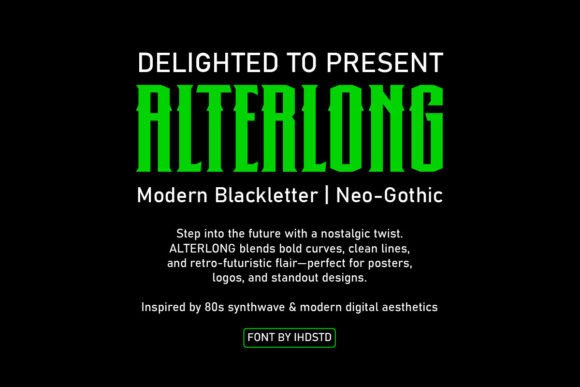
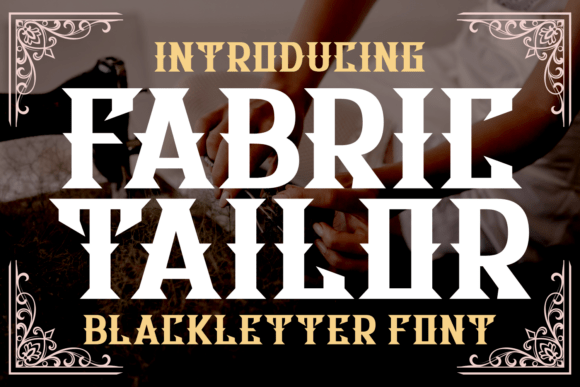
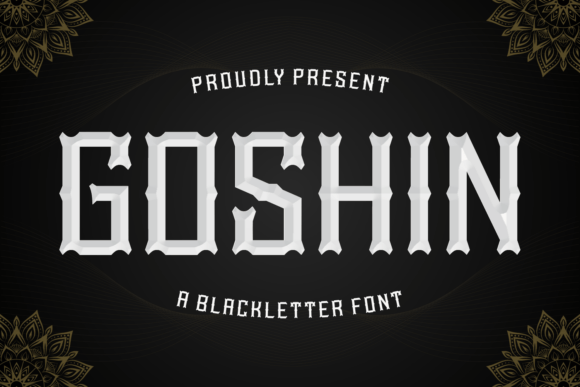
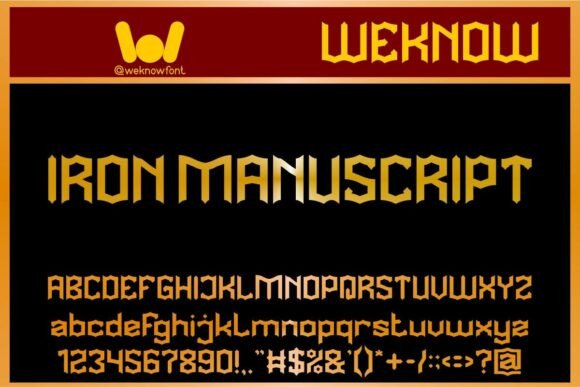
Iron Manuscript is a display font that merges the angular, calligraphic qualities of traditional gothic typefaces like Old English or Fraktur with sleek, contemporary geometry. The result is a typeface that feels both historical and futuristic—a techno-medieval aesthetic that’s rare but highly effective in visual storytelling. Unlike many fonts that lean too heavily on one style, Iron Manuscript balances its roots with innovation, making it suitable for a wide array of use cases.
Where Iron Manuscript Fits Into Your Workflow
This font is particularly valuable in pre-production and final execution phases of creative work. Before diving into the design process, consider using Iron Manuscript during brainstorming sessions to visualize potential brand identities or editorial themes. Its strong visual presence can help set the tone early on, guiding decisions about color schemes, layout structures, and overall messaging.
During the design phase, Iron Manuscript can be integrated into digital tools such as Adobe Photoshop, Illustrator, or InDesign. It pairs well with sans-serif fonts for contrast in magazine spreads or book covers, ensuring readability while maintaining a dramatic headline impact. For web developers and digital marketers, this font works seamlessly in platforms like WordPress or Squarespace when used appropriately with CSS styling and responsive design techniques.
In post-production, Iron Manuscript serves as a finishing touch. Whether you're preparing a music poster, crafting a YouTube thumbnail, or designing an Instagram banner, its distinctive edge adds character without overwhelming the composition. It's also excellent for print media, including packaging or apparel labels, where tactile and visual appeal are key.
Use Cases Across Industries
- Brand Identity: Incorporate Iron Manuscript into logos or taglines to create a memorable and authoritative look. Its robust structure aligns well with industries like gaming, fashion, or heritage brands seeking to communicate strength and tradition.
- Apparel & Fashion: The font's medieval-meets-modern vibe makes it a popular choice for clothing lines, especially those with a dark, edgy, or fantasy-inspired theme. Use it for label text, promotional banners, or product names.
- Media & Publishing: As a headline font for magazines, books, or blogs, Iron Manuscript draws attention and enhances the reader’s experience. Pair it with more legible body fonts to maintain hierarchy and clarity.
- Digital Content: From social media posts to website headers, this font helps elevate the visual quality of online assets. It’s especially effective in niches like tech startups, indie games, or niche art communities looking to stand out.
- Entertainment & Art: Comic strips, movie titles, and animated illustrations benefit from the dynamic feel of Iron Manuscript. Its stylized letters bring a cinematic flair to visual narratives.
Integration Tips and Best Practices
To ensure smooth integration into your workflow, start by assessing the context in which you plan to use Iron Manuscript. Ask yourself whether the project requires a decorative or functional element, and how the font will interact with other design components. Here are some practical tips:
- Pair Thoughtfully: Because it's a display font, Iron Manuscript should be used sparingly and paired with complementary fonts. Sans-serif options like Montserrat or Lato offer a clean balance for body text or subheadings.
- Optimize for Readability: Avoid using it in small sizes or dense paragraphs. Reserve it for headlines, titles, and focal points where its ornate details can shine without hindering comprehension.
- Test Across Platforms: Ensure compatibility by testing Iron Manuscript on different devices and screen sizes. For web use, embed the font via Google Fonts or Typekit, and confirm that fallback fonts won’t disrupt the visual intent.
- Stay Consistent: If you're building a brand identity around this font, maintain consistency across all materials. Define usage rules for when and where it appears, helping preserve visual coherence over time.
- Consider Licensing: Always check the licensing terms before using any font commercially. Some versions may require purchase for extended use, especially in products sold publicly.
Example 1: Logo Design for a Fantasy Apparel Brand
Before: During initial concept sketches, the designer uses Iron Manuscript in mockups to test how the brand name might appear on t-shirts or banners.
During: In the digital design phase, they finalize the logo using vector software, adjusting spacing and stroke weight to enhance the font’s geometric features.
After: Once approved, Iron Manuscript is embedded into marketing materials—social media profiles, packaging, and even in-store signage—to reinforce brand recognition.
Example 2: Magazine Layout Design
Pre-Production: The editor selects Iron Manuscript for the cover title to evoke a sense of gravitas and uniqueness.
During Production: The designer integrates the font into InDesign, ensuring proper alignment and spacing for optimal visual flow. They may also use it for chapter headings or pull quotes.
Post-Production: After proofing, the font is exported in high resolution for print runs. Online versions of the magazine feature a lighter version or a similar alternative to mimic the aesthetic across formats.
Example 3: YouTube Channel Rebrand
Planning Phase: The creator explores branding ideas and settles on Iron Manuscript for the channel banner and thumbnails due to its eye-catching nature.
Execution: Using Canva or Premiere Pro, they apply the font to video intros and end screens, ensuring it aligns with the channel’s theme and color palette.
Maintenance: To maintain consistency, they store the font file in a shared drive and include it in templates for future videos, streamlining the rebranding effort across multiple content pieces.
Preparing to Use Iron Manuscript
Before implementing Iron Manuscript in your designs, take time to understand its strengths and limitations. Evaluate the emotional tone you want to convey—does it match the font’s bold, structured appearance? Also, consider cultural associations; blackletter fonts often carry connotations of history, authority, or mystique depending on context.
Ensure that your system has the font installed or accessible through cloud-based services. If you're working in teams, share the font file securely and document its intended use to avoid inconsistencies. Establishing these practices upfront saves time and reduces errors down the line.
Factors to Consider for Long-Term Success
Usability: While Iron Manuscript excels in aesthetics, it’s not always suited for long-form reading. Use it strategically to highlight key elements rather than overwhelm the viewer.
Organization: Maintain a font library within your design toolkits to track where and how Iron Manuscript is applied. This helps keep projects consistent and makes revisions easier.
Efficiency: Optimize your workflow by creating reusable templates with Iron Manuscript already styled. This speeds up production and ensures uniformity across campaigns or publications.
Quality Control: Review outputs at various stages—especially if printing or scaling for large displays. Check for kerning issues, alignment problems, and color harmony to ensure the best possible outcome.
Long-Term Use: Think beyond a single project. If you’re building a brand or recurring publication, consider how Iron Manuscript fits into a broader typography strategy. Will it remain relevant in future updates? Does it support multilingual characters if needed?
Conclusion
Iron Manuscript is more than just a font—it’s a stylistic anchor that can shape the visual direction of a project. By understanding its place in the design process and applying it thoughtfully, professionals and creatives alike can harness its striking form to elevate their work. Whether you're launching a new product, redesigning a website, or producing editorial content, this font offers a compelling way to express character and creativity. Let Iron Manuscript guide your next big idea with confidence and clarity.