Old English Spider: A Gothic Font for Spooky Season and Beyond
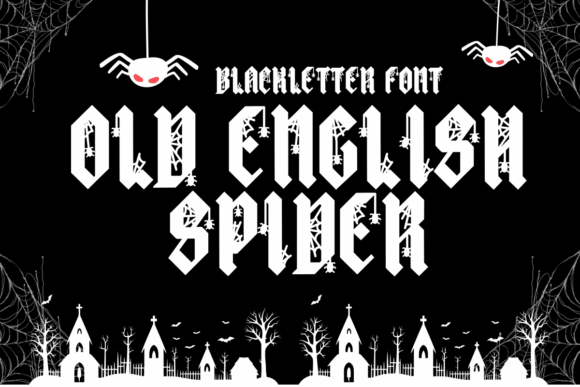
If you’re looking to add a dash of eerie elegance to your designs, Old English Spider is the font that will make your projects stand out in the shadows. With its roots in blackletter style and an infusion of cobweb-like details, this gothic-inspired typeface screams vintage horror and delivers it with bold precision. Whether you're creating Halloween decorations, designing brand materials for a haunted theme, or just want to give your content a mysterious edge, Old English Spider brings the perfect blend of medieval charm and monstrous flair.
What Makes Old English Spider Unique?
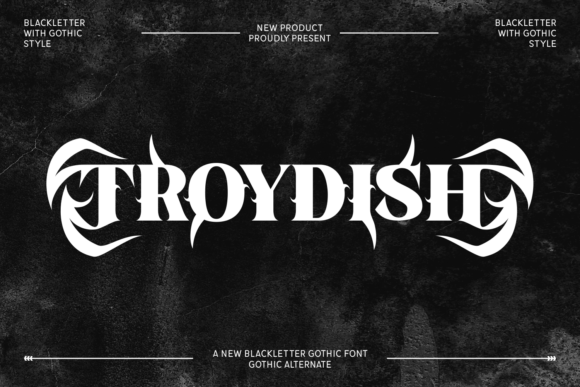
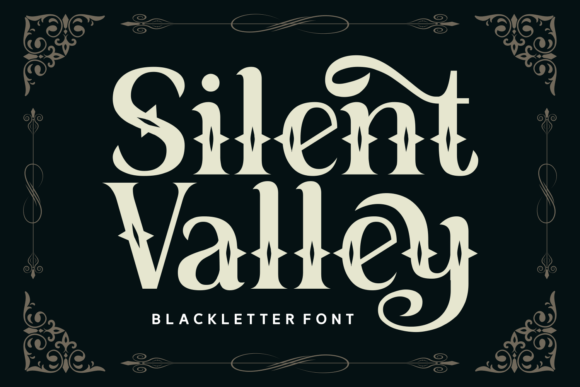
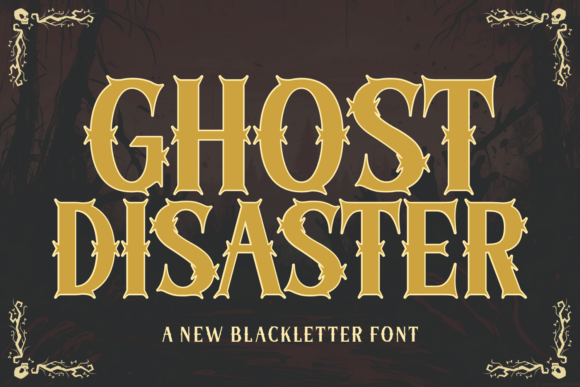
At first glance, Old English Spider feels like stepping into a dusty old tome from a forgotten library. Its letterforms are dramatic, with sweeping strokes and intricate ligatures that evoke the look of ancient manuscripts. But what truly sets it apart is the subtle addition of web-like textures and jagged serifs that mimic spider legs—details that don’t overwhelm but enhance the overall spooky aesthetic.
This font isn't just about looks; it's also versatile enough to work across various mediums. The contrast between thick and thin lines gives it depth, while the spacing allows for readability even at smaller sizes when used appropriately. It’s not your typical script font—it’s a display font with purpose, designed to be impactful in both digital and print formats.
Why Choose Old English Spider Over Other Gothic Fonts?
Many gothic fonts lean too heavily on the ornate side, making them difficult to read or inappropriate for certain uses. Old English Spider avoids these pitfalls by maintaining a balance between artistry and functionality. The creepy yet refined appearance makes it suitable for more than just Halloween. Think fantasy book covers, dark-themed branding, or event posters for conventions and themed parties.
Its unique design ensures it won’t be confused with generic blackletter fonts. Instead, it stands out as a carefully crafted option for those who want to communicate a sense of history, mystery, or macabre without losing clarity or professionalism.
Halloween Posters and Invitations
When it comes to Halloween, visuals matter—and nothing says “spook-tacular” like Old English Spider. Imagine using it for a haunted house poster, a Halloween party invite, or a local festival advertisement. The font instantly adds an air of authenticity and scares that can’t be matched by simpler alternatives.
For example, a community theater group staging a production of The Tell-Tale Heart might use Old English Spider for their flyers and program covers. The font’s dramatic nature mirrors the story’s intensity, helping draw in the right audience and set expectations before they even walk through the door.
Gothic Branding and Apparel Design
Entrepreneurs in the fashion or lifestyle space often seek fonts that reflect their brand’s identity. For a gothic clothing line or a boutique selling vintage-style accessories, Old English Spider can become part of the visual language that defines the brand.
Consider a T-shirt design with the phrase “Midnight Reverie” in Old English Spider. The text would feel alive with character, making the piece more eye-catching and thematically consistent. Similarly, a candle company marketing “haunted forest” scents could use this font for product labels to create an immersive experience.
Dark-Themed Websites and Blogs
Blogs, websites, or landing pages focused on horror, fantasy, or alternative lifestyles can benefit greatly from Old English Spider. It works especially well for headlines, titles of articles, or section headers where you want to grab attention and convey tone.
A travel blog exploring abandoned places might feature the title “Exploring the Forgotten” in this font. The choice immediately signals the site’s focus on the unknown and the unsettling, inviting readers to dive deeper into the stories shared there.
Event and Venue Signage
Haunted attractions, escape rooms, or themed cafes often rely on atmospheric design to engage visitors. Using Old English Spider in signage, menus, or promotional material helps reinforce the environment’s mood.
An escape room titled “The Spider’s Den” could use the font for all exterior signs and internal clues. The typography becomes part of the storytelling, guiding guests through a world that feels ancient and ominous. Even a coffee shop offering seasonal drinks might use it for special menu items during October to build anticipation and excitement.
Educational Materials with a Twist
Teachers and educators sometimes need creative ways to present information. In literature classes covering gothic novels like Dracula or Frankenstein, using Old English Spider for chapter titles or handouts can spark student interest and help contextualize the material.
Imagine a high school English class project where students write their own short horror stories. Providing them with templates that include Old English Spider as the headline font encourages creativity and gives the final products a professional finish that matches the genre.
How Different Users Can Benefit
- Freelancers and designers: This font is a valuable asset in any designer’s toolkit. It offers a unique look that clients might not find elsewhere, giving your work a distinctive edge.
- Small business owners: Whether you run a costume shop or a themed café, Old English Spider can help you craft branding that speaks directly to your niche audience.
- Bloggers and content creators: Use it for article titles, thumbnails, or social media posts to catch attention and establish a strong visual identity around topics like history, horror, or fantasy.
- Marketers and advertisers: Create campaigns for seasonal events or limited-time products with a font that conveys exclusivity and atmosphere.
- Hobbyists and DIY enthusiasts: From handmade greeting cards to custom Halloween costumes, this font adds a personal touch that elevates everyday projects.
Practical Tips for Using Old English Spider
While Old English Spider is undeniably stylish, it’s important to use it wisely. Here are some practical considerations to keep in mind:
- Use it sparingly: Because it’s a display font, it’s best suited for headings, logos, or standout phrases. Don’t use it for body text unless you’re aiming for a very specific effect.
- Pair it with complementary fonts: To avoid overwhelming the reader, pair Old English Spider with a clean sans-serif or serif font for supporting text. For instance, combine it with something like Roboto or Garamond for a balanced layout.
- Test in different contexts: Always preview how the font looks on screens, printed materials, and at varying sizes. Some details may get lost if the font is too small or compressed.
- Consider your audience: While it’s great for horror-themed content, it may not be appropriate for every demographic. Ensure the tone aligns with your message and your viewers’ expectations.
Where to Find and Use Old English Spider
Old English Spider is available through several font marketplaces like Adobe Fonts, Creative Market, or Google Fonts. Before purchasing or downloading, check the licensing terms to ensure it fits your intended use—especially if you plan to sell products featuring the font.
Once you have access, you can easily integrate it into design tools such as Photoshop, Illustrator, Canva, or even CSS for web development. Most platforms allow you to install the font locally or link it online, depending on your workflow preferences.
Getting Creative with Old English Spider
Let’s explore a few scenarios where Old English Spider can transform an ordinary design into something extraordinary:
- Book Covers: A self-published author writing a historical horror novel might use Old English Spider for the title to evoke a sense of timelessness and dread.
- Product Packaging: A company selling handmade soaps with names like “Witch’s Brew” or “Coffin Dust” can use this font to make their packaging feel like a treasure from the past.
- Social Media Content: A YouTuber focusing on vintage horror movies could use it for video thumbnails, channel banners, or comment sections to maintain a cohesive, spooky vibe.
- Wedding Invitations: For unconventional weddings with a dark, romantic twist—think Victorian gothic or steampunk themes—this font can lend a dramatic and memorable touch.
One thing to note is that this font pairs beautifully with textures like parchment, aged paper, or ink splatters. Adding a subtle background enhances the feeling of something unearthed and mysterious, which can elevate your design from simple to stunning.
When to Avoid Old English Spider
Despite its strengths, Old English Spider isn’t always the best fit. If your project requires legibility in large blocks of text, like long-form articles or instructional guides, stick to a more readable font. Also, avoid using it in minimalist or modern designs where it might clash with the overall aesthetic.
Additionally, consider cultural context. Blackletter fonts can sometimes be associated with negative histories, so be mindful of your audience and the message you want to send. In most cases, especially within creative or entertainment spaces, this font is embraced for its artistic value and thematic appeal.
Bringing Your Projects to Life with Old English Spider
Whether you’re planning a Halloween campaign, launching a new brand with a dark twist, or simply trying to make your next project pop with personality, Old English Spider has the potential to do just that. It’s not just a font—it’s a storytelling tool that adds layers of meaning and emotion to your work.
Take the example of a local record store hosting a “Spooky Sounds” sale. By using Old English Spider in their promotional banner, they immediately signal the event’s theme and attract customers who appreciate both music and moody aesthetics. The font becomes part of the experience, not just an afterthought.
Final Thoughts on Choosing the Right Tool
In the end, choosing Old English Spider depends on your goals and the message you want to deliver. It’s ideal for those who want to tap into the rich visual language of gothic and horror themes, while still maintaining a level of sophistication and craftsmanship.
Before applying it to your next project, ask yourself: does this font serve the purpose? Does it enhance the design or distract from it? Once you’ve answered those questions, you’ll know whether Old English Spider is the right choice for your needs.