Melonia: A Stylish Blackletter Typeface with Gothic Elegance
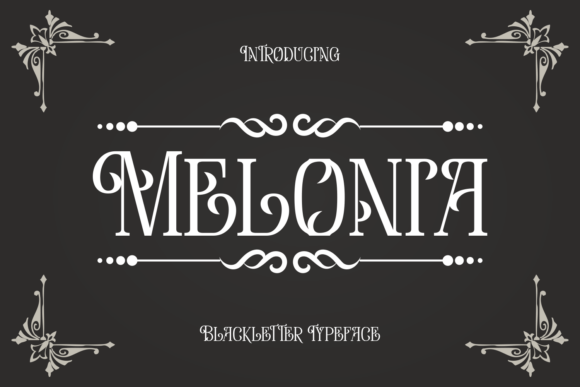
Melonia is a distinctive blackletter typeface that blends traditional gothic elements with decorative flair and contemporary readability. Designed to evoke the ornate beauty of historical scripts while maintaining a modern edge, Melonia features bold serifs, elegant curves, and intricate embellishments that make it stand out in visual design projects. It’s particularly well-suited for applications where aesthetic appeal and typographic sophistication are key.
Why People Choose Melonia
Designers and creatives often look for fonts that offer both character and clarity. Melonia appeals to those who want to incorporate a sense of history or fantasy into their work without sacrificing legibility. Its unique ornamental details provide an artistic touch, making it ideal for branding, event invitations, book covers, and other high-impact design materials where typography plays a central role.
One of the main reasons people choose Melonia is its versatility across different styles and themes. Whether you're designing a vintage poster, crafting a wedding invitation with a romantic twist, or working on a fantasy-themed project, this font can enhance the visual narrative and evoke the right emotional tone.
Benefits of Using Melonia
- Gothic Charm: The blackletter style of Melonia brings a classic, timeless feel to any design, reminiscent of medieval manuscripts and early printed books.
- Artistic Sophistication: Decorative swirls and flourishes add an element of elegance, making it suitable for premium or bespoke design projects.
- Modern Readability: Unlike many traditional blackletter fonts, Melonia has been optimized for better legibility at smaller sizes, ensuring it works well in both display and body text contexts.
- Wide Application Range: From branding materials to literary designs, Melonia adapts well to various uses, offering designers flexibility without compromising style.
Tradeoffs and Considerations
While Melonia offers a compelling mix of tradition and modernity, it's important to weigh its suitability against your specific needs. One of the primary considerations is its complexity. The ornamental details that make it visually striking can also make it less practical for long paragraphs of dense text. In such cases, pairing Melonia with a simpler, sans-serif or serif font may yield a more balanced result.
Another factor to consider is the target audience. Melonia might not be appropriate for all demographics. For instance, if you're creating content for a younger or more casual audience, its gothic appearance could come off as overly formal or even difficult to read. Similarly, in digital formats where screen resolution and loading speed matter, highly detailed fonts like Melonia can sometimes impact performance.
When Melonia Is a Strong Fit
Melonia shines when used in projects that benefit from a strong visual identity rooted in tradition. Some of the most common scenarios include:
- Vintage Posters: Its gothic roots give it an authentic look that complements retro aesthetics and historical themes.
- Wedding Invitations: The font’s elegance and romantic undertones make it a popular choice for luxury or themed weddings.
- Book Covers and Titles: Especially for genres like fantasy, horror, or historical fiction, Melonia adds an engaging and atmospheric presence.
- Brand Logos and Packaging: If your brand seeks to communicate heritage, exclusivity, or creativity, Melonia can serve as a memorable typographic anchor.
- Fantasy-Themed Projects: From game titles to promotional art, the font enhances the magical or mystical elements of the design.
Key Design Tips for Using Melonia
- Use Sparingly for Long Text: Reserve Melonia for headlines, titles, or short phrases rather than lengthy body copy to maintain readability.
- Pair Thoughtfully: Combine it with complementary fonts to balance its ornate nature. A clean, minimalist font can help guide the reader’s eye through the design.
- Consider Color and Contrast: Because of its dark, bold appearance, using lighter colors or high contrast backgrounds can enhance its visibility and impact.
- Test Across Media: Before finalizing a design, check how Melonia looks in print versus on screen. Adjust size and spacing accordingly to ensure consistency.
When Alternatives May Be Better
Despite its strengths, Melonia isn’t always the best option. Here are some situations where you might want to explore other fonts:
- For Web Browsing: Highly stylized fonts can slow down rendering or appear blurry on certain devices. Simpler fonts may perform better in these contexts.
- In Multilingual Projects: Depending on the language requirements, Melonia may lack full character support for non-Latin scripts, which could limit its usefulness.
- With Limited Branding Scope: If your brand requires a more neutral or versatile font that works across multiple platforms and languages, a standard sans-serif or serif typeface would be a safer bet.
- For Accessibility: Individuals with dyslexia or visual impairments may find blackletter fonts challenging to read. In such cases, accessibility-focused fonts are recommended.
Decision-Making Insights
Choosing the right typeface involves more than just aesthetics—it's about aligning form with function. When evaluating whether Melonia fits your project, ask yourself a few key questions:
- Does my design require a dramatic or historic visual tone?
- Will the text primarily be displayed in large sizes or short bursts?
- Am I targeting an audience that appreciates traditional or fantasy-inspired visuals?
- Do I need a font that supports extended language sets or complex layouts?
If you’re aiming for a bold statement with a rich visual heritage, Melonia could be the perfect fit. However, if your priority is usability, scalability, or universal accessibility, you may want to explore more functional alternatives.
Final Thoughts
Melonia is a stylish and expressive blackletter typeface that bridges the gap between historical charm and modern functionality. Its ornamental details and bold structure make it a favorite among designers looking to infuse their work with a touch of gothic elegance. While it excels in niche applications like branding, event design, and book publishing, it’s essential to consider its limitations in terms of readability and technical adaptability.
Ultimately, the decision to use Melonia should be guided by your design goals and audience expectations. By carefully weighing its benefits and tradeoffs, you can determine whether it will elevate your project or if another font might better suit your needs.