Kalimantan: A Gothic Font Rooted in Borneo's Tribal Heritage
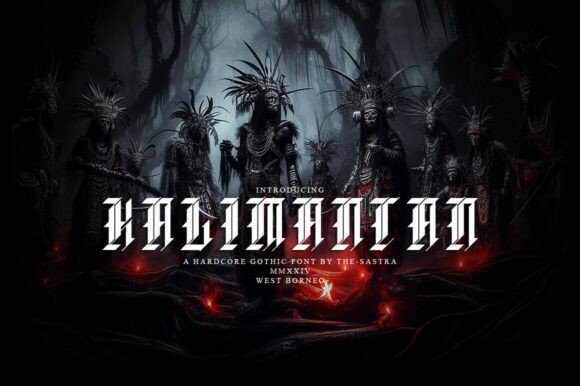
In the ever-evolving world of typography, fonts are more than just tools for communication—they're expressions of culture, identity, and aesthetic vision. One such font that has been gaining traction among designers is Kalimantan, a bold and striking blackletter typeface inspired by the rich tribal heritage, intricate tattoos, and cultural artistry of Borneo. Its sharp, angular letterforms and dramatic stroke contrasts create a powerful visual impact that exudes both strength and mystery.
What Makes Kalimantan Unique?
The Kalimantan blackletter typeface stands out due to its fusion of traditional gothic elements with a modern edge. Unlike many contemporary fonts that lean heavily into minimalism or uniformity, Kalimantan embraces complexity and character. Each letterform tells a story, drawing from the deep-rooted traditions of indigenous communities in Borneo who have long used symbols and body art as forms of storytelling and identity.
This unique blend makes it particularly appealing for projects that seek to convey a sense of authenticity, cultural richness, or raw energy. Whether you’re designing a brand logo, apparel label, or a poster for an event, Kalimantan can serve as a compelling visual anchor that captures attention and communicates depth without needing much text.
Relevance in Modern Design Trends
Today’s design landscape is increasingly leaning toward personalization and cultural resonance. Businesses and creatives alike are looking for ways to stand out in a crowded market by incorporating elements that reflect deeper meaning and connection. This trend aligns perfectly with the ethos behind Kalimantan. As brands become more conscious of their cultural footprint, fonts like this one offer a way to integrate heritage and symbolism into modern aesthetics.
Moreover, there's a growing appreciation for handcrafted and artisanal visuals across industries—from fashion to digital marketing. The distinctive style of Kalimantan taps into this desire for uniqueness, making it a valuable asset for designers aiming to craft memorable and meaningful work.
From Tradition to Trendsetter
Fonts inspired by indigenous cultures are not new, but what sets Kalimantan apart is how it balances respect for tradition with adaptability for today’s design needs. The angular shapes and contrasting strokes echo the geometric patterns found in Bornean tribal art, while the overall structure remains legible and scalable across various media platforms.
This evolution reflects a broader shift in creative practices—where cultural motifs are no longer confined to niche markets but are embraced in mainstream design. The result is a typographic style that feels both timeless and timely, capable of fitting into diverse applications without losing its essence.
Practical Applications of Kalimantan
When considering how to use Kalimantan effectively, it’s important to match its tone with the right context. Here are some practical areas where this font shines:
- Branding: Ideal for startups or businesses targeting a bold, adventurous audience. Think outdoor gear brands, cultural festivals, or luxury travel agencies focusing on Southeast Asia.
- Apparel and Fashion: Works well on clothing tags, logos, and promotional materials for collections that celebrate cultural narratives or tribal influences.
- Signage and Posters: Its high contrast and strong presence make it excellent for headlines in print or digital signage where visibility and impact matter most.
- Labels and Packaging: Perfect for artisanal products, such as handmade crafts, natural beauty items, or specialty foods, where a distinctive look enhances perceived value.
Designing with Cultural Sensitivity
While Kalimantan draws inspiration from Borneo’s tribal heritage, it's crucial for designers to approach such cultural motifs with sensitivity and awareness. The font should be used thoughtfully to honor the origins of its design rather than exploit them. When done right, integrating culturally rich typography like Kalimantan can foster deeper connections between the brand and its audience.
Why Kalimantan is Gaining Attention
Several factors contribute to the rising interest in fonts like Kalimantan. First, there's a noticeable shift towards authenticity in branding. Audiences are becoming more discerning and are drawn to content that feels genuine and rooted in real stories. Second, the demand for visually engaging content has never been higher, especially in digital spaces where users scroll quickly and need something arresting to stop and engage.
Third, technology has made it easier to access and apply such fonts across different mediums. With support for web formats like WOFF and TTF, Kalimantan can be seamlessly integrated into websites, mobile apps, and digital campaigns. This accessibility ensures that even small businesses or independent creators can leverage the font's bold personality without technical barriers.
Cultural Aesthetics in the Digital Age
As global audiences become more interconnected, there's a greater curiosity about diverse cultures and their artistic expressions. Fonts that incorporate these elements—like Kalimantan—are meeting this demand head-on. They provide a bridge between ancient symbolism and modern communication, allowing designers to infuse their work with cultural significance while maintaining a fresh and relevant look.
For example, a recent campaign by a wellness brand using tribal-inspired designs saw a significant increase in engagement because it resonated with consumers interested in holistic, nature-connected lifestyles. By choosing a font like Kalimantan, they reinforced the authenticity of their message through every visual touchpoint.
How to Use Kalimantan Effectively
To harness the full potential of Kalimantan, consider the following best practices:
- Pair with simplicity: Given its boldness, balance Kalimantan with simpler sans-serif or serif fonts in supporting text to maintain readability.
- Use for emphasis: Apply it to headlines, titles, or call-to-action buttons where its visual weight can highlight key messages.
- Experiment with spacing: Because of its intricate details, adjusting letter and word spacing can enhance legibility and add stylistic flair.
- Consider color and texture: Pairing Kalimantan with earthy tones or textured backgrounds can amplify its tribal feel and make the design more immersive.
Real-World Examples
One notable use of Kalimantan is in the branding of a local Indonesian coffee shop that wanted to evoke the spirit of traditional Borneo culture. The font was used in the logo and menu headers, complemented by warm colors and hand-drawn illustrations. The outcome was a cohesive brand identity that felt authentic and inviting, helping the business stand out in a competitive market.
Another case involves a streetwear line that adopted Kalimantan for its packaging and advertising. The font's angular, edgy appearance aligned perfectly with the brand’s rebellious yet respectful take on tribal culture. It helped establish a strong visual language that resonated with a younger demographic seeking meaningful and expressive fashion choices.
Choosing the Right Tone and Context
Though Kalimantan is versatile, it's not suitable for every project. Its gothic roots and tribal associations mean it works best in contexts that benefit from a sense of gravitas or mystique. For instance, it might not be the ideal choice for a children’s educational platform or a clean, corporate website. Instead, it thrives in environments where storytelling, identity, and boldness are central themes.
Before implementing Kalimantan, evaluate your audience and the purpose of your design. Does it align with the values and expectations of your target market? Will it enhance the message or distract from it? These considerations ensure the font adds value rather than becomes a gimmick.
Future Outlook and Recommendations
As we move further into a design-centric era, fonts like Kalimantan will continue to play a role in shaping visual identities. However, their success hinges on thoughtful application and cultural understanding. Designers should stay informed about the origins and meanings behind the styles they adopt, ensuring their work honors the source material.
For those exploring bold headline fonts, Kalimantan offers a compelling alternative to overused sans-serif typefaces. It’s particularly useful in industries like entertainment, lifestyle, and creative services where standing out is essential. Educators and marketers may also find it beneficial when crafting presentations or campaigns that aim to evoke emotion or tell a story.
Conclusion
Kalimantan is more than just a font—it’s a visual representation of cultural depth and modern creativity. By blending the stark geometry of gothic lettering with the soul of Bornean tribal art, it provides a unique tool for designers who want to communicate power, mystery, and authenticity. As user expectations evolve and the demand for meaningful design grows, fonts like Kalimantan will remain relevant for their ability to connect the past with the present in a visually compelling way.