Integrating Qultures into Your Design Workflow for Maximum Impact
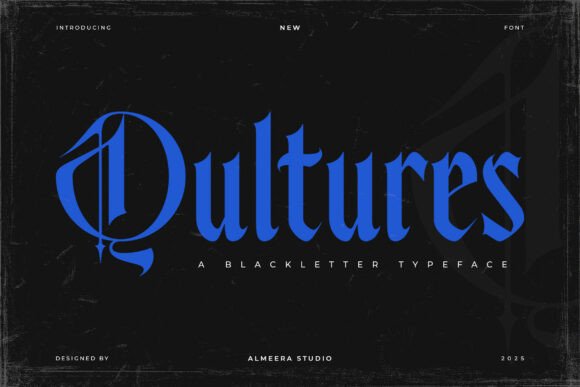
Choosing the right typeface can make or break a design project, especially when you're aiming for a bold visual statement. Qultures, a dramatic blackletter typeface rooted in Gothic and medieval aesthetics, is more than just a font—it’s a tool that enhances the character and strength of your creative output. Whether you're working on tattoos, rock band posters, merchandise, logos, or dark-themed branding, Qultures brings an authentic old-world feel with a modern edge. Its heavy strokes and sharp details give it a powerful presence that stands out in any medium.
Understanding the Role of Qultures in Design
In the broader context of design processes, typography serves as a foundational element that communicates tone, identity, and purpose. Qultures is specifically crafted to fit into workflows where strong visual impact and historical gravitas are essential. Unlike many decorative fonts that sacrifice readability for style, Qultures maintains clarity while delivering a striking appearance. This makes it ideal for both headline use and extended text in appropriate contexts.
When selecting a typeface, consider how it aligns with your brand's message and target audience. Qultures, with its medieval roots, is perfect for projects that evoke mystery, rebellion, or tradition. It’s particularly effective in niches like alternative fashion, gaming, and entertainment industries, where the font's unique characteristics resonate with specific themes and identities.
Pre-Project Considerations: Setting the Stage
Before incorporating Qultures into your work, it's important to evaluate its compatibility with your tools and workflow. The font supports full uppercase and lowercase characters, numerals, punctuation, and multilingual options for extended Latin scripts. This level of completeness ensures that it can be used across a wide range of content without requiring substitutions or additional assets.
- Software Compatibility: Qultures works seamlessly in major design platforms such as Adobe Illustrator, Photoshop, InDesign, and more. Make sure your software is up to date to access all features.
- File Formats: Obtain the font in standard formats like OTF or TTF to ensure smooth integration into your design environment.
- Legal Use: Verify licensing agreements before using the font in commercial projects. Some typefaces have restrictions based on usage scope, so understanding these upfront prevents potential issues later.
Additionally, take time to plan how the font will serve your project goals. Will it be the primary typeface or used sparingly for emphasis? Does it need to pair well with other fonts in a system? These questions help guide the implementation process and ensure Qultures contributes meaningfully to your overall design strategy.
During the Creative Process: Execution Tips
Once you’ve decided to use Qultures, the next step is integrating it effectively during the design phase. Here’s how to approach it:
- Start with a Clear Purpose: Define the role of the typeface in your composition. For example, if designing a logo, determine whether the font should dominate the layout or complement supporting graphics.
- Balance Weight and Contrast: Blackletter fonts like Qultures are inherently bold. To maintain visual harmony, balance them with lighter elements—such as minimalist backgrounds or subdued secondary fonts.
- Use Proper Kerning and Spacing: Because of its intricate letterforms, precise spacing is crucial. Adjust tracking and kerning manually to avoid cramped or disjointed text blocks.
- Experiment with Color and Texture: Enhance the font’s medieval feel by pairing it with dark color palettes, aged textures, or metallic effects. These choices amplify its thematic strength and create a cohesive aesthetic.
When working with tattoos, for instance, consider how the font will translate from digital mockups to skin. High contrast and thick strokes are typically easier to execute and maintain legibility after being inked. Similarly, when designing merchandise like t-shirts or mugs, test how the font appears at different sizes and resolutions to preserve quality across all outputs.
Post-Implementation Review: Quality and Long-Term Use
After completing a project with Qultures, take a moment to assess its effectiveness. Ask yourself: Does the font support the message I want to convey? Is it readable in its final application? How does it perform across various mediums and scales?
This review helps inform future decisions and refine your typographic choices. Keep in mind that while Qultures excels in high-impact applications, it may not always be suitable for body text or long-form content due to its dense structure. However, in short bursts—like headlines, taglines, or branding elements—it shines brightly.
For long-term use, organize your font library efficiently. Assign clear naming conventions and categorize Qultures under “bold,” “Gothic,” or “dark-themed” fonts for quick access. If you collaborate with others, share documentation about its optimal use cases to maintain consistency in team projects.
Integration Strategies for Different Industries
Depending on your field, the way you implement Qultures can vary significantly. Let’s explore some practical examples:
Tattoo Design Workflows
Tattoo artists often rely on fonts that carry deep symbolic weight and remain legible over time. Qultures fits this requirement perfectly. When creating tattoo templates, start by sketching the placement and size of the text. Then import the font into your vector-based design software and adjust the stroke width to match the artist’s technique and client preferences.
Consider combining Qultures with hand-drawn elements or geometric shapes to enhance the uniqueness of the piece. Always provide clients with multiple variations—different colors, orientations, and embellishments—to give them confidence in their choice.
Music and Merchandise Branding
Rock bands and independent musicians frequently use Gothic-style fonts to reflect their genre’s edgy vibe. Qultures can become the backbone of a music brand’s visual identity. Apply it to album covers, band logos, and promotional materials like flyers and social media posts.
To streamline your workflow, build a brand style guide that includes rules for using Qultures—such as preferred colors, spacing adjustments, and how it pairs with other fonts. This ensures that every asset maintains a consistent look and feel, reinforcing brand recognition across all touchpoints.
Dark-Themed Logos and Marketing Materials
For businesses targeting niche markets or those with a gothic, fantasy, or horror theme, Qultures offers a compelling option. It works well in logos for themed cafes, apparel brands, book covers, and even product packaging.
When designing a logo, start by testing Qultures against your brand’s core values. Does it reflect authenticity and boldness? Once confirmed, experiment with layering it over background images or gradients to create depth and drama. Remember to simplify the design where necessary—too much detail can overwhelm the viewer and dilute the message.
Collaboration and Cross-Platform Consistency
Many design teams use shared platforms like Google Fonts, Typekit, or local font servers. While Qultures may not be available on all web services, it can be hosted locally or through private font libraries for internal use. Ensure that all collaborators have access to the same version of the font to prevent inconsistencies in final deliverables.
When exporting files for print or web, double-check that Qultures embeds correctly. Some platforms require manual embedding or conversion to outlines for guaranteed rendering. Maintain a backup copy of the font file to avoid disruptions in case of licensing changes or file corruption.
Combining Qultures with Other Tools and Assets
Qultures doesn’t operate in isolation; it interacts with other design tools and assets to produce compelling results. Pair it with vector illustrations, photography, or graphic elements that enhance its mood. For example, a poster using Qultures might benefit from a grunge texture overlay or a vintage photo frame.
Also, consider how it complements your color palette. Dark tones like black, navy blue, or deep red often highlight the font’s intensity best. On the flip side, light backgrounds can make the bold strokes pop more dramatically. Test combinations early in the design phase to find the most effective visual synergy.
Practical Observations and Best Practices
Over time, users who incorporate Qultures into their projects notice several benefits and challenges:
- Visual Hierarchy: Qultures naturally commands attention, making it excellent for title text but less suited for small details unless stylized further.
- Readability vs. Aesthetic: While visually striking, the font may require extra care in terms of spacing and sizing to remain legible.
- Client Feedback: Not everyone appreciates blackletter styles. Be prepared to explain the font’s history and relevance, or offer alternatives for comparison.
A good practice is to limit the use of Qultures to one or two key elements per design. Overusing it can lead to clutter and reduce its emotional impact. Reserve it for situations where it adds value, such as a headline in a magazine spread or a label on a limited-edition product.
Organizing for Efficiency and Reusability
As part of a larger design ecosystem, Qultures should be categorized logically within your font management system. Use tags or folders labeled “Gothic,” “Bold,” or “High-Impact” to locate it quickly. If you frequently switch between multiple blackletter fonts, create a comparison chart detailing their unique traits and recommended use cases.
For freelancers and entrepreneurs, maintaining an organized font library improves productivity. You can also develop reusable templates featuring Qultures, which saves time when launching similar projects in the future. Just update the content and tweak the visuals as needed.
Real-World Workflow Example
Imagine you’re designing a logo for a new indie metal band. Here’s how you might integrate Qultures:
- Research Phase: Explore the band’s musical style, lyrics, and desired imagery. Determine if a Gothic font like Qultures aligns with their identity.
- Sketching and Concept Development: Draft rough ideas with placeholder text. Choose Qultures for the main name and another complementary font for subtitles or taglines.
- Design Execution: Import Qultures into your design software and adjust the spacing. Layer it with relevant graphics, such as a skull or flame motif, and apply a dark, textured background.
- Client Presentation: Offer the design in multiple versions (color variants, orientation options) and explain why Qultures was chosen for its thematic and visual strengths.
- Long-Term Application: Create a brand guide specifying how the font should appear on merchandise, social media, and concert posters to maintain consistency.
This structured approach ensures that Qultures is used thoughtfully and strategically, enhancing the overall brand without overwhelming it.
Why Qultures Stands Out
Among the vast array of typefaces available today, Qultures distinguishes itself through its blend of historical authenticity and modern adaptability. It avoids the overly ornate or fragile designs common in some blackletter fonts, instead offering clean lines and robust forms that hold up in both digital and physical formats.
Its inclusion of numerals and punctuation allows for greater flexibility, reducing the need for custom illustrations or external assets. Meanwhile, multilingual support opens doors for international branding or content localization without compromising the font’s integrity.
Ultimately, Qultures is a versatile tool for professionals who understand the importance of thoughtful typography. It’s not just about looking good—it’s about communicating with precision and power.
Final Thoughts on Implementation
Typography is a critical component of visual communication, and choosing the right font like Qultures can elevate your work significantly. By considering its role in pre-planning, executing carefully during the design phase, and reviewing outcomes afterward, you ensure that it contributes positively to your project’s success.
Whether you’re a designer, marketer, educator, or entrepreneur, the key lies in aligning the font with your goals and audience expectations. With proper planning and execution, Qultures can become a trusted asset in your creative toolkit, helping you craft impactful designs that stand the test of time.