Blegor Font: A Bold Fusion of Blackletter and Art Deco for High-Impact Design
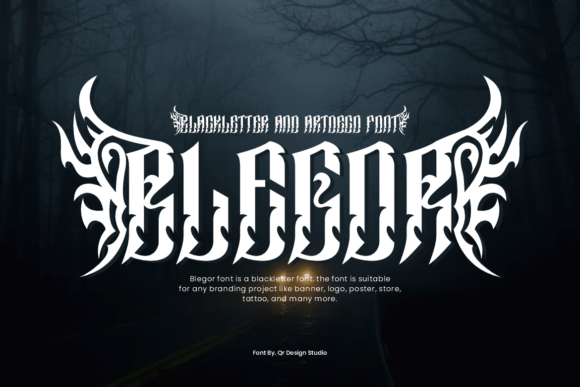
The Blegor font is a striking typeface that blends the dramatic flair of blackletter with the geometric precision of art deco, creating a unique visual identity. Designed to command attention, it features heavy, bold characters with ornamental extensions that suggest motion and intensity. This hybrid style positions Blegor as a powerful choice for designers seeking a dark, rebellious aesthetic with intricate details.
What Makes Blegor Unique?
Blegor distinguishes itself by merging two historically distinct design languages: medieval blackletter and contemporary tattoo-inspired motifs. The result is a typeface that feels both ancient and modern. Unlike traditional gothic fonts that rely on symmetry and calligraphic consistency, Blegor introduces sharp, tribal-style embellishments that flow from each glyph, forming a flame-like silhouette. These additions give the font a dynamic edge, making it stand out in visual media where impact is key.
The uppercase letters are particularly elaborate, with exaggerated strokes, spikes, and curves that evoke a sense of grandeur and danger. Lowercase characters maintain the same core visual language but with slightly less intensity, offering flexibility without compromising the font’s signature style. Every element of Blegor—from its numerals to its punctuation—echoes this intense gothic-artistic identity, ensuring consistency across all typographic components.
Visual Characteristics of Blegor
Blegor is defined by several strong visual traits:
- Weight: Very bold and heavy, giving the font a monolithic presence on the page.
- Shape: Combines classic blackletter verticality with pointed terminals and angular strokes, enhanced by tribal-style embellishments that resemble flames or jagged edges.
- Balance: Despite its aggressive form, the font maintains visual harmony through symmetrical flourishes and carefully considered spacing between elements.
This balance ensures that while Blegor remains visually dominant, it doesn’t become overwhelming or illegible at smaller sizes. Its design also benefits from PUA (Private Use Area) encoding, which allows users to access special characters and decorative glyphs seamlessly without needing extra software or tools.
Comparing Blegor to Other Stylized Fonts
When evaluating Blegor against other stylized fonts, especially those used in similar contexts like branding or poster design, it becomes clear that Blegor offers a distinctive approach. Traditional blackletter fonts such as Fraktur or Textura emphasize historical authenticity and often lack the graphic punch needed for modern applications. Meanwhile, many contemporary tattoo or graffiti fonts prioritize readability and simplicity over ornate detail, which can limit their versatility in high-design environments.
Blegor sits comfortably between these extremes. It retains the complexity and elegance of blackletter while embracing the raw energy of modern tattoo aesthetics. For instance, when compared to the popular Kabel or Bank Gothic styles, Blegor delivers a much more theatrical presence. While Kabel brings an elegant art deco feel, it lacks the baroque intricacy of Blegor. Similarly, Bank Gothic is known for its clean, sans-serif structure, making it unsuitable for projects requiring a dark or edgy tone.
Strengths of Blegor
Blegor shines in scenarios where visual intensity is required. Some of its key strengths include:
- High Visual Impact: The font's bold weight and extended embellishments make it ideal for grabbing attention in posters, logos, and promotional materials.
- Design Versatility: Though best suited for uppercase usage due to its complexity, Blegor can be adapted for titles, headings, and even short body text when used creatively.
- Cultural Resonance: Its fusion of old-world lettering and modern rebellion taps into themes of darkness, mystique, and individualism, resonating well with niche audiences.
- Accessibility of Decorative Elements: Thanks to PUA encoding, users can easily access additional glyphs, symbols, and stylistic variants, enhancing the creative potential of the font.
Tradeoffs and Limitations
Despite its strengths, Blegor has some limitations that should be considered before selecting it for a project:
- Readability Concerns: Due to its highly stylized nature, Blegor may not be suitable for long blocks of text or any content requiring quick readability. It works best in short bursts or as a headline.
- Complexity vs. Practicality: The ornate design, while visually appealing, might not align with minimalist or corporate aesthetics. Projects requiring a more subdued look may find Blegor too intense.
- Use Case Specificity: While excellent for certain genres like horror, alternative fashion, or underground music scenes, it may not fit general-purpose design needs.
For example, if you're designing a website for a tech startup or a financial institution, Blegor would likely be inappropriate due to its unconventional style. In contrast, it could be perfect for a metal band logo or a dystopian-themed movie poster.
Best-Fit Situations for Blegor
Blegor excels in the following use cases:
- Band Logos: The font’s aggressive yet artistic style makes it a natural fit for rock, metal, or punk bands looking to convey strength and rebellion.
- Tattoo Designs: With its etched appearance and tribal influences, Blegor complements tattoo artwork beautifully, adding depth and character to body ink.
- Horror Posters: Its dark, gothic essence enhances the mood of horror films or events, helping to create a sense of dread and anticipation.
- Dark Fashion Branding: Luxury streetwear or avant-garde fashion labels can leverage Blegor to communicate exclusivity and edginess.
- Themed Packaging: Products targeting a gothic or alternative audience, such as vinyl records, craft beers, or limited-edition apparel, benefit from Blegor’s bold personality.
In these scenarios, the font acts not just as a means of communication but as a design element in its own right. When used thoughtfully, Blegor can elevate a project beyond typical typography into the realm of visual storytelling.
When to Choose Blegor and When to Look Elsewhere
Choosing Blegor depends heavily on the context and goals of your design. If you’re aiming for a font that embodies both history and modernity, and you need something that stands out in a crowded visual landscape, Blegor is an excellent option. However, if your primary concern is legibility or if your project requires a more neutral or professional tone, then Blegor may not be the best fit.
Consider the following examples:
- Right Choice: A clothing brand launching a new line inspired by 19th-century European folklore and modern urban culture might choose Blegor for its label designs and packaging to reflect both eras.
- Alternative Option: A nonprofit organization focused on education or health services would probably opt for a simpler, more readable font like Open Sans or Lato, where clarity and accessibility are paramount.
Additionally, Blegor may require more thoughtful layout planning. Because of its density and ornamental nature, it often needs more white space around it to prevent overcrowding. This consideration is crucial in print or digital layouts where hierarchy and pacing matter.
Alternatives to Consider
While Blegor is unique in its combination of styles, there are other fonts worth considering depending on your specific needs:
- Medieval-Inspired Fonts: For a more traditional blackletter experience, consider fonts like Old English or Goudy Text. These offer historical accuracy but may lack the modern twist of Blegor.
- Modern Tattoo Fonts: Fonts such as Stick No Protruberance or Bauhaus 93 provide a cleaner, bolder take on tattoo aesthetics, sacrificing the baroque complexity of Blegor for sharper, more direct visuals.
- Art Deco Variants: If you prefer a more streamlined art deco look without the gothic influence, Futura or Avenir offer sleek alternatives with a lighter, geometric feel.
Each of these fonts serves different purposes, and the decision should ultimately depend on the message you want to convey and the medium you're working with.
How to Use Blegor Effectively
To maximize the effectiveness of Blegor in your design work, follow these practical tips:
- Limit Usage: Reserve Blegor for headlines, titles, or logos rather than using it throughout a design. Overuse can dilute its impact and reduce overall readability.
- Pair with Simpler Fonts: Complement Blegor with a more straightforward font for supporting text. This helps maintain a clear hierarchy and prevents visual fatigue.
- Experiment with Color and Texture: Blegor’s carved appearance lends itself well to metallic finishes, grunge textures, or layered effects. Playing with these can enhance its dramatic qualities.
- Utilize PUA Encoding: Take full advantage of the included special characters and glyphs to add uniqueness to your compositions without relying on external tools.
For instance, in a music festival poster, Blegor could be used for the main title, while a sans-serif font like Montserrat could handle event details. This pairing ensures the title commands attention while the supporting information remains easy to digest.
Evaluating Blegor for Your Project
Before finalizing Blegor as your font of choice, ask yourself the following questions:
- Does the design require a strong, eye-catching headline?
- Is the target audience receptive to bold, unconventional typography?
- Will the font be used in a context that benefits from a gothic or rebellious aesthetic?
- Are you prepared to manage its visual density in layout design?
If you answered “yes” to most of these, Blegor is likely a good match. However, if your project demands subtlety, minimalism, or broad accessibility, you might want to explore other options. Always test how the font looks across various mediums and sizes before committing to ensure it performs as intended.
Final Thoughts on Choosing Blegor
Blegor is more than just a font—it's a statement. Its fusion of blackletter tradition and art-deco aggression creates a compelling visual identity that speaks directly to audiences drawn to the dark, the dramatic, and the daring. When used appropriately, it can transform a simple design into a memorable one, capturing the essence of rebellion and baroque beauty simultaneously.
However, like any specialized tool, Blegor isn’t universally applicable. Understanding its strengths and limitations will help you decide whether it fits your project’s goals. Whether you're crafting a tattoo, designing a record sleeve, or developing a dark-themed brand, Blegor offers a rare blend of historical inspiration and modern graphic power that few fonts can replicate.