Ghitalk: A Bold Typeface for Modern Designers
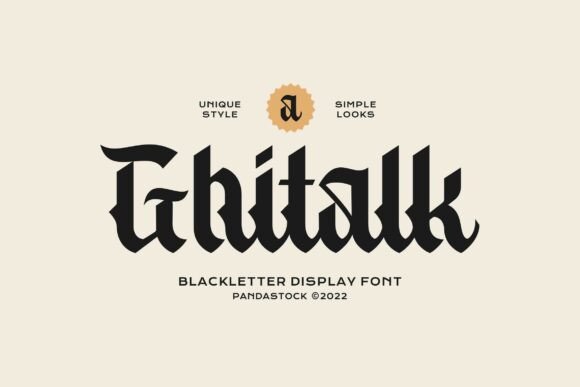
Typography is a powerful design element that can elevate your creative projects from ordinary to extraordinary. Among the many fonts available, Ghitalk stands out as a modern blackletter display typeface that masterfully combines the strength of traditional Gothic letterforms with a sleek, contemporary edge. Whether you're designing for streetwear, editorial layouts, or nightlife promotions, Ghitalk brings an unforgettable visual impact that speaks volumes before a single word is read.
What Makes Ghitalk Unique?
Ghitalk draws inspiration from historic Gothic typography — those angular, bold letters once used in medieval manuscripts and early printed books. However, it doesn’t stop there. The font introduces refined proportions and smoother transitions between strokes, giving it a fresh, modern rhythm. This balance of vintage grit and clean lines makes it ideal for designers who want to evoke a sense of rebellion while maintaining professionalism and clarity.
Its sharp serifs and dramatic contrast between thick and thin strokes make it visually striking, especially when used in headlines, logos, or promotional materials. PUA encoding ensures that every glyph, swash, and alternate character is accessible without needing advanced typographic knowledge, making it user-friendly for both beginners and seasoned professionals.
Common Mistakes When Choosing Ghitalk
While Ghitalk is versatile and eye-catching, using it incorrectly can lead to suboptimal results. One common mistake is overusing it across entire paragraphs or body text. Display fonts like Ghitalk are not meant for long-form reading; their ornate details and high contrast can cause readability issues when used in large blocks of text.
Better approach: Reserve Ghitalk for headlines, titles, or short impactful phrases. Pair it with a simpler sans-serif or serif font for body copy to maintain legibility and hierarchy. For example, use Ghitalk for a brand slogan and Helvetica for product descriptions to create a balanced visual experience.
Misunderstanding PUA Encoding
Some users assume that because Ghitalk is PUA-encoded, it works seamlessly on all platforms and software. While PUA (Private Use Area) encoding allows access to special characters like ligatures and alternate glyphs, it also means these features may not display correctly if the font isn't properly installed or if the platform doesn’t support them.
Example: A designer might notice that certain stylized characters don’t show up when previewing their work on a client’s website or mobile device. This typically happens when the font isn’t embedded correctly or the system lacks proper rendering capabilities.
Solution: Always test your designs on multiple devices and platforms before finalizing. Ensure the font is fully installed and consider using web font formats (like WOFF or TTF) if embedding online. If you’re working with clients, inform them about potential compatibility issues and how they can resolve them by installing or downloading the correct version.
When Ghitalk Isn’t the Right Choice
Another overlooked detail is the context in which Ghitalk is applied. It thrives in environments where boldness and personality are key — such as skate culture posters, music festival flyers, or luxury branding campaigns. But in more conservative settings, like corporate reports or academic journals, it could clash with the intended tone.
Real-world scenario: A marketing team designed a formal annual report using Ghitalk for all headings, only to receive feedback that the document felt too aggressive and unprofessional. Had they evaluated the audience and purpose beforehand, they might have chosen a more subdued alternative.
Tip: Before selecting Ghitalk, ask yourself: Does this font align with the message I want to convey? Consider your target audience and the emotional response you aim to provoke. If you need something more serious or minimalistic, explore other options like geometric sans-serifs or clean slab serifs.
Comparing Ghitalk with Similar Fonts
Designers often compare Ghitalk to other blackletter or Gothic-inspired fonts. While fonts like Kabel, Great Gatsby, or even custom-made alternatives might seem similar at first glance, each has its own character and purpose.
- Kabel is known for its geometric structure and Art Deco flair, but it lacks the organic flow and depth of Ghitalk.
- Great Gatsby offers a vintage feel but is less structured and harder to control in digital applications.
- Custom fonts may provide more flexibility but often come with higher costs and limited accessibility.
Ghitalk shines in its ability to bridge the gap between historical and modern aesthetics without sacrificing usability. Its thoughtful design allows it to be both expressive and functional, especially when paired with smart typography tools.
How to Use Ghitalk Effectively
To get the most out of Ghitalk, consider the following best practices:
- Use appropriate spacing: Blackletter fonts tend to have complex structures. Adding extra tracking or kerning can enhance legibility and give your design room to breathe.
- Limit color and effects: Because Ghitalk already carries a strong visual identity, avoid overloading it with gradients, drop shadows, or outlines unless necessary. Let the font speak for itself.
- Pair it with complementary fonts: Choose a secondary font that contrasts well — perhaps a minimalist sans-serif or a classic serif — to guide the reader's eye through the content smoothly.
- Test different weights: If Ghitalk comes in multiple styles (e.g., regular, bold), experiment with them to find the right balance for your project. Sometimes a lighter weight works better for subtle accents than the full-blown bold version.
Examples of Successful Ghitalk Usage
Let’s look at two real-life examples to see how Ghitalk can be used effectively:
Example 1: Streetwear Brand Logo
A streetwear label wanted a logo that felt edgy yet stylish. They chose Ghitalk for the main name and paired it with a monospace typeface for the tagline. The result was a cohesive look that resonated with their youthful, rebellious customer base.
Example 2: Nightlife Poster
A nightclub needed a poster that would grab attention in a crowded venue. By using Ghitalk in gold foil print for the event title and a dark background with white text for supporting info, they created a high-contrast, memorable piece that stood out both digitally and in print.
Before You Buy or Download Ghitalk
It’s easy to fall in love with a font’s appearance, but before committing to Ghitalk, take a few moments to assess its suitability for your needs:
- Check if the font supports your language or includes any specific symbols you’ll need.
- Verify licensing terms — some fonts require commercial licenses for certain uses.
- Review the font’s technical specifications to ensure compatibility with your design tools (Adobe Illustrator, Photoshop, Figma, etc.).
- Look at sample usage cases to see if the font has been successfully applied in similar contexts.
By doing this due diligence, you’ll avoid unnecessary rework later and ensure that your investment in Ghitalk delivers maximum value.
Learning the Rhythm of Ghitalk
For new designers, learning how to handle a font like Ghitalk can be intimidating. Its unique character shapes and intricate details demand careful handling. One common pitfall is trying to fit too much into one line, which can distort the natural rhythm of the typeface.
Bad practice: Cramping a headline into a narrow space without adjusting leading or scaling can lead to a cluttered and confusing layout.
Good practice: Give Ghitalk room to breathe. Adjust line height, scale the font appropriately for the size of the design, and ensure it doesn’t compete with background imagery or colors. A simple rule of thumb is to always let the font shine by keeping the surrounding elements clean and intentional.
The Impact of Good Typography Choices
Choosing the right font can influence how people perceive your brand or message. Ghitalk, with its blend of tradition and modernity, can help establish a strong visual identity — but only if used thoughtfully.
Consider the psychology behind typography. Sharp, angular fonts like Ghitalk can communicate power, energy, and creativity. These qualities make it a perfect match for youth-driven brands, artistic portfolios, or event promotions. On the flip side, using it inappropriately can send the wrong message — such as appearing too loud for a sophisticated audience.
Always evaluate the context and purpose of your design before choosing a font. Ask questions like:
- Who will be viewing this design?
- Where will it appear (print, digital, signage)?
- What emotions should the typography evoke?
Final Thoughts
Ghitalk is more than just a stylish font — it’s a tool that, when used wisely, can transform your design from forgettable to iconic. But like any powerful tool, it requires understanding and respect. Avoid the temptation to use it everywhere; instead, focus on strategic placement where it can make the biggest impact.
Remember, the goal of typography is to enhance communication, not hinder it. With the right approach, Ghitalk can become a cornerstone of your design toolkit, helping you craft visuals that resonate with audiences and reflect your brand's personality accurately.