Worst Fights: A Font That Demands Attention
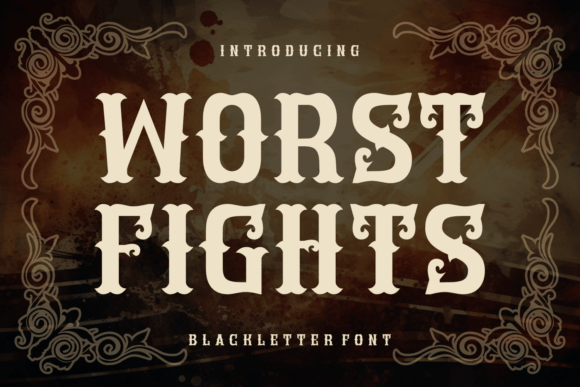
If you're looking for a font that speaks volumes before a single word is read, Worst Fights might just be your next go-to typeface. With its bold strokes and dramatic curves, this fierce blackletter font isn’t shy about making an impression. It brings a raw, intense energy to the table while maintaining a classic, almost medieval charm. Whether you’re designing a poster, branding a new venture, or crafting a horror-themed layout, Worst Fights delivers both power and personality.
Why Choose Worst Fights?
Fonts are more than just letters—they’re visual tools that shape how your message is received. Worst Fights is designed to evoke strength, grit, and chaos. Its sharp details and gothic undertones give it a commanding presence, which makes it ideal for projects where you want to convey a sense of urgency, rebellion, or old-world intensity. This premium font works particularly well in editorial design, logo creation, and packaging concepts that aim to stand out in a crowded market.
As a display font, Worst Fights excels at grabbing attention quickly. It’s not meant for long blocks of text but rather for headlines, taglines, and short impactful phrases. The contrast between thick and thin strokes adds depth and drama, helping your designs cut through the noise—especially in social media graphics or print materials like flyers and t-shirts.
Real-World Applications of Worst Fights
Logo Design: For bands, bars, or boutique brands with an edgy vibe, Worst Fights can serve as the perfect anchor. Imagine a tattoo parlor using it in their logo—it immediately communicates a gritty, no-nonsense attitude that aligns with their brand identity.
Editorial Design: Horror magazines, fantasy anthologies, and vintage-style publications often use blackletter fonts to create atmosphere. Worst Fights fits right in, offering a fresh take on traditional gothic typography. Pair it with a serif or sans serif body font to balance readability with visual flair.
Packaging & Merchandise: Vintage-inspired labels, limited edition beer cans, or band merchandise benefit from the chaotic yet controlled look of Worst Fights. It gives products character and helps them feel handcrafted or artisanal, even if they’re mass-produced.
Digital Projects: In web design or app interfaces, use Worst Fights sparingly—for buttons, headers, or call-to-action elements. It adds a layer of sophistication when used correctly and ensures your site doesn’t blend into the sea of modern minimalism.
How Worst Fights Impacts Brand Perception
Typefaces influence how people perceive your brand. A clean sans serif suggests professionalism; a cursive script implies elegance. Worst Fights, with its dramatic curves and bold presence, conveys resilience, intensity, and perhaps even a little danger. It’s excellent for niche markets like extreme sports, underground music scenes, or historical reenactment groups where the audience expects a certain visual language.
This font also supports strong visual hierarchy. Because of its weight and structure, it naturally draws the eye, allowing you to highlight key messages without needing extra graphic elements. Use it for event posters, album covers, or promotional banners to ensure your title is the first thing viewers see.
Consistency is another factor. Once you choose Worst Fights for a primary headline or logo, consider how it complements other design assets. You’ll likely need to pair it with something more subdued to maintain balance across your branding materials. Think of it as the lead actor in a film—supporting characters should never upstage the main performance.
Font Pairing Tips for Worst Fights
Pairing fonts can make or break a design. Since Worst Fights is a display font with high contrast, you'll want to match it with a supporting typeface that offers clarity and simplicity. Here are a few tried-and-true combinations:
- Worst Fights + Roboto (Sans Serif): Clean and modern, Roboto provides a nice contrast to the ornate nature of Worst Fights. Great for digital projects or editorial layouts.
- Worst Fights + Georgia (Serif): If you're aiming for a more classic look, Georgia can add warmth and readability to content sections, letting Worst Fights dominate the headline space.
- Worst Fights + Cinzel (Decorative Serif): Both have a gothic feel, but Cinzel offers more subtlety and legibility. Ideal for print work like book covers or brochures.
Always test your pairings in context. How do they look together on screen? Do they maintain legibility in different sizes? These questions will help you avoid jarring combinations and ensure your message remains clear and compelling.
Readability and Practical Considerations
While Worst Fights is visually striking, it's important to remember that it's not optimized for long-form reading. Avoid using it in body text, captions, or anywhere fine detail could become a liability. Instead, reserve it for titles, subheadings, or decorative accents where impact matters most.
Its medieval aesthetic can sometimes clash with ultra-modern UI elements, so evaluate whether it aligns with the overall tone of your project. For example, a retro gaming site would embrace it wholeheartedly, whereas a fintech platform might find it too aggressive or unprofessional.
When working with smaller screens or mobile devices, test the font at various sizes to ensure it still holds up. Sometimes, the intricate details that make a font beautiful on large prints can become muddy in digital formats unless carefully managed.
Commercial Licensing and Project Fit
Before you start using Worst Fights in commercial work, always check the licensing terms. Some creative fonts come with restrictions on usage scope, especially when applied to logos, advertisements, or physical products. Ensure the license allows for the kind of work you plan to do—whether it’s for a small business, a marketing campaign, or a personal passion project.
Also, consider the emotional tone of your project. Worst Fights is not a neutral font. It carries a heavy personality that may not suit every message. Ask yourself: does this font enhance the story I’m trying to tell? Will it resonate with my target audience? These are crucial questions to answer before finalizing your design choices.
Design Recommendations and Best Practices
To get the most out of Worst Fights, keep these tips in mind:
- Use it for Impact: Let the font shine in areas where you want to emphasize emotion or intensity. Don’t overuse it—less is often more when dealing with such bold typographic choices.
- Balance with Simplicity: Counter its complexity with minimalist design elements. White space, simple color schemes, and clean shapes can help prevent visual clutter.
- Test Across Media: Print and digital mediums react differently to typefaces. Always preview your design in both environments to ensure Worst Fights performs consistently.
- Review Included Styles: Many premium fonts offer multiple weights or styles. Check what variations are available with Worst Fights to see if it supports your needs, like a lighter version for subtitles or a bolder one for large-scale prints.
Final Thoughts on Worst Fights
In the world of typography, choosing the right font is like casting the right actor for a role. Worst Fights plays the part of a rugged, powerful typeface that commands respect and evokes emotion. It’s not just a font—it’s a statement. When used thoughtfully, it can elevate your brand identity, sharpen your visual hierarchy, and make your message impossible to ignore.
So whether you're launching a new product line, designing a festival poster, or creating a website for a rock band, ask yourself: does this project need a touch of grit and drama? If yes, then Worst Fights is worth considering. Just remember to let it breathe and pair it wisely. After all, great design is about harmony—not just boldness.