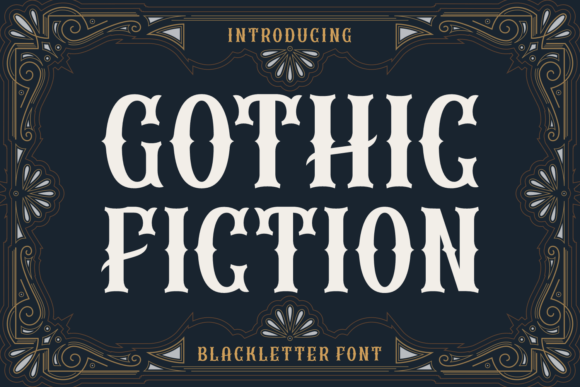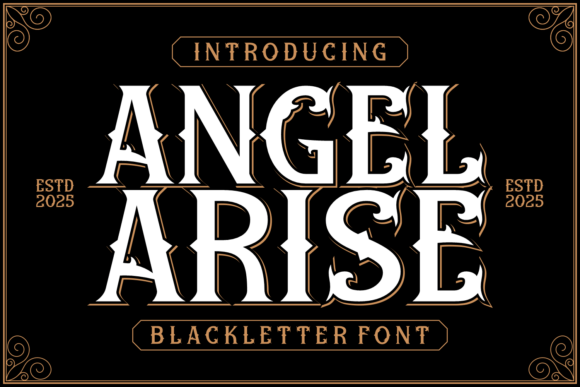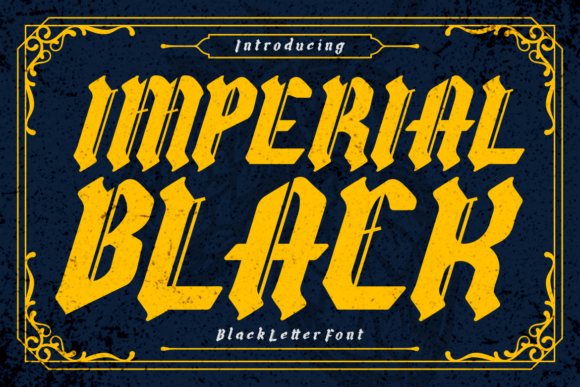
Happy Halloween: A Gothic Font for Bold Designers
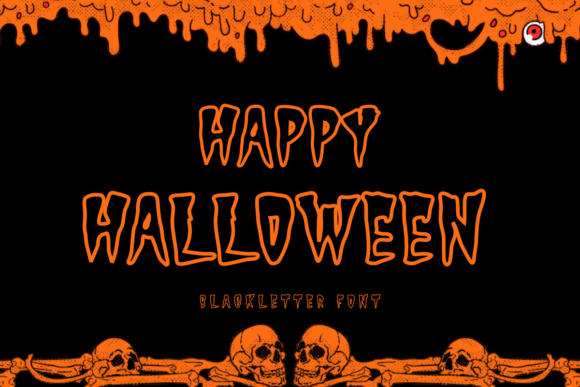
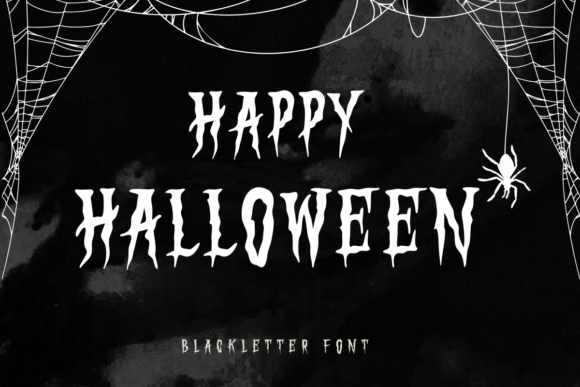
The phrase “Happy Halloween” takes on a whole new dimension when styled with the striking Happy Halloween font. This elegant blackletter typeface merges the gothic tradition with a modern, spooky flair, making it an excellent choice for anyone looking to evoke mystery and drama in their designs. With its sharp, pointed serifs and intricate letterforms, this font doesn’t just say “spooky”—it whispers secrets from centuries past while still feeling fresh and relevant today.
What Makes Happy Halloween Unique?
Blackletter fonts have long been associated with medieval manuscripts, religious texts, and historical documents. They carry an air of gravitas, often used to convey formality or timelessness. However, Happy Halloween reimagines this classic style through a contemporary lens. Its jagged edges and ornate details add a sense of eerie sophistication that's perfect for Halloween-themed content.
Designers love this font because it’s versatile yet distinctive. It can be used as a headline to command attention or paired with simpler sans-serif fonts to balance visual weight. The key is understanding how to use it effectively without overwhelming the reader. Think of it like using a dramatic spotlight in theater—it highlights what matters most and adds depth to your message.
Creative Applications for Happy Halloween
If you're brainstorming ways to incorporate Happy Halloween into your next project, consider these practical and imaginative uses:
- Party Invitations: Create invitations that feel like they’ve been torn from a haunted library. Pair the font with dark colors, vintage textures, and spooky imagery to set the tone early.
- Event Posters: Whether it’s a local Halloween festival, a themed dinner party, or a horror movie marathon, this font can elevate the design from ordinary to unforgettable.
- Seasonal Branding: Businesses in the hospitality, entertainment, or retail sectors can use the font during October to align with the holiday spirit and stand out visually.
- Blog Headers and Articles: For bloggers covering Halloween traditions, costume ideas, or seasonal recipes, the font adds a touch of intrigue and helps build brand identity around the theme.
- Freelance Projects: Freelancers offering graphic design services can showcase this font in portfolios to demonstrate their ability to craft unique, thematic visuals.
How Educators Can Use Happy Halloween
Teachers and educators can harness the visual power of Happy Halloween to make classroom activities more engaging during the fall season. From creating Halloween reading lists to designing interactive history lessons about the origins of the holiday, this font can spark students' interest and imagination.
Consider using it in printable worksheets, digital presentations, or even custom book covers for student projects. Just ensure that legibility remains intact—blackletter fonts can be challenging to read in large blocks of text, so save them for headings and short phrases.
Entrepreneurs and Small Business Ideas
For small business owners, especially those in niche markets like handmade goods, event planning, or creative writing, the Happy Halloween font offers a way to connect with customers on a deeper level. Here are some tailored approaches:
- Product Packaging: Use it for limited-edition Halloween products such as candles, greeting cards, or spooky-themed snacks. The font adds a premium, artisanal feel.
- Social Media Campaigns: Craft eye-catching posts with this font for Instagram stories, Facebook events, or Twitter threads. Combine it with high-quality photography and concise copy to maximize engagement.
- Website Overhauls: If your website gets a seasonal facelift, integrating the font into headers or call-to-action buttons can create a cohesive, immersive experience for visitors.
Design Tips for Using Happy Halloween Effectively
To get the most out of the Happy Halloween font, keep these tips in mind:
- Contrast Matters: Pair it with lighter background colors or dark, moody tones to enhance readability and visual impact.
- Use Sparingly: While it’s dramatic, overusing the font can lead to clutter. Reserve it for titles, logos, and short impactful messages.
- Complement with Texture: Add subtle effects like parchment paper backgrounds, ghostly overlays, or ink splatters to give your designs a handcrafted, haunted look.
- Experiment with Color: Don’t limit yourself to black and orange. Try deep purples, blood reds, or even metallic finishes for a more sophisticated vibe.
Real-World Inspiration
Looking for inspiration? Study how brands like Halloween Store or independent designers use similar fonts to build anticipation and excitement. Many use layered typography techniques, where Happy Halloween serves as the focal point while supporting fonts provide clarity and contrast.
Another great example is independent bookstores promoting Halloween-themed story nights. Their posters often feature this kind of font to suggest both tradition and spookiness, drawing in readers who crave a bit of autumn magic.
Adapting the Font Across Formats and Platforms
Whether you’re working on print or digital media, adapting Happy Halloween requires thoughtful consideration of context and audience. Here’s how different users might approach it:
- Print Design: Printers should check how the font looks at smaller sizes. Sometimes, blackletter fonts lose detail when printed too small. Test it on mockups before finalizing any print work.
- Digital Content: Web designers may need to pair it with web-safe fallback fonts in case the primary font fails to load. Always include a clear hierarchy in your layout to guide the viewer’s eye.
- Video and Animation: Animators can use the font in title sequences or transitions to create a haunting effect. Adding slight movement—like a slow fade-in or flickering candlelight—can enhance the mood dramatically.
- Mobile-Friendly Designs: Ensure the font scales well on smaller screens. Avoid overly complex lettering if the text will appear in a mobile menu or app interface.
Maintaining Clarity and Consistency
While the aesthetic appeal of Happy Halloween is undeniable, it’s important to maintain a balance between creativity and usability. Here are a few best practices:
- Use it consistently across all Halloween-related materials to build brand recognition.
- Limit the number of stylistic variations (e.g., bold, italic) unless necessary. Too many styles can confuse the visual message.
- Always test your design in multiple environments—both online and offline—to see how it performs under different lighting and resolutions.
Why Choose Happy Halloween?
There are countless Halloween fonts available, but Happy Halloween stands out due to its unique blend of old-world charm and modern edge. It allows creators to tap into the rich symbolism of the holiday while maintaining a professional and stylish appearance.
Its versatility also means it can be adapted for various purposes. Want to create a family-friendly Halloween newsletter? Tone down the color palette and pair it with playful illustrations. Need something darker for a horror-themed podcast intro? Let the font take center stage with a minimalist design.
Getting Started with Happy Halloween
If you're ready to experiment with this font, start by downloading it from a trusted source like Google Fonts or Adobe Typekit. Once installed, try these quick steps to integrate it into your workflow:
- Open your design software (Adobe Photoshop, Illustrator, Canva, etc.).
- Select the Happy Halloween font from the list of available typefaces.
- Adjust spacing and alignment for maximum visual impact.
- Test it alongside other elements like images, borders, and secondary fonts.
- Save and share your creation!
Conclusion
The Happy Halloween font is more than just a decorative choice—it's a storytelling tool. Whether you're a designer, marketer, educator, or simply someone who loves Halloween, this font can help you communicate your vision with both style and substance. By applying it thoughtfully and creatively, you can craft memorable experiences that resonate with your audience year after year.